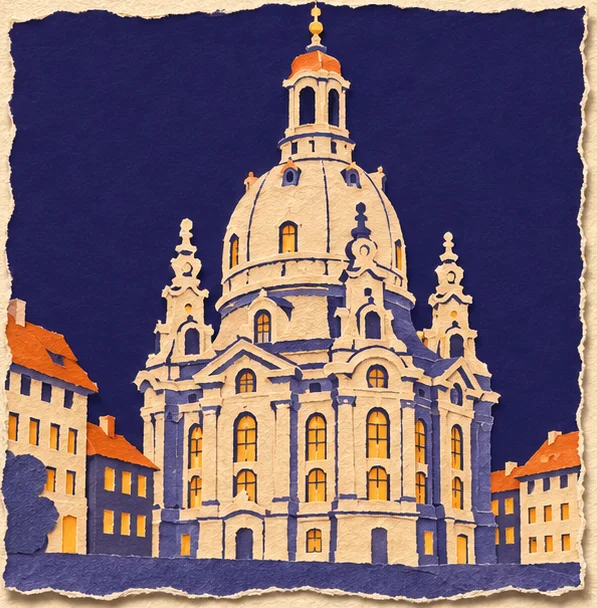
Frauenkirche
IndoorsOfficial site ↗
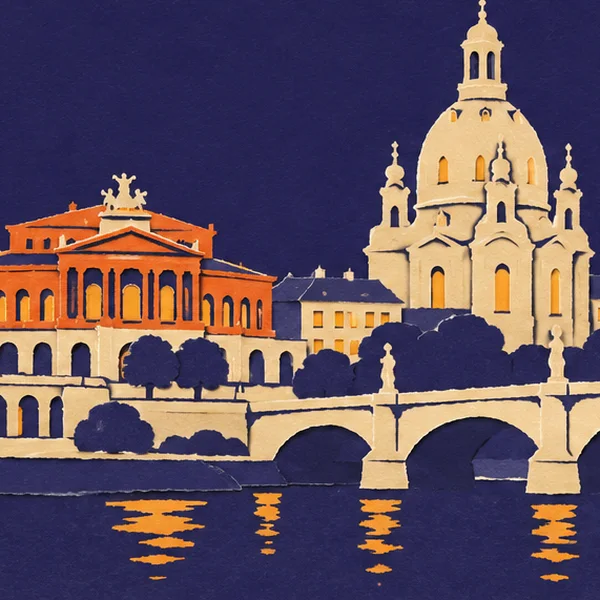
George Bähr's church, built from 1726 to 1743, destroyed in February 1945 and left as a ruin and memorial. It was rebuilt from 1993 and consecrated in 2005. You can climb the dome, and it hosts concerts.
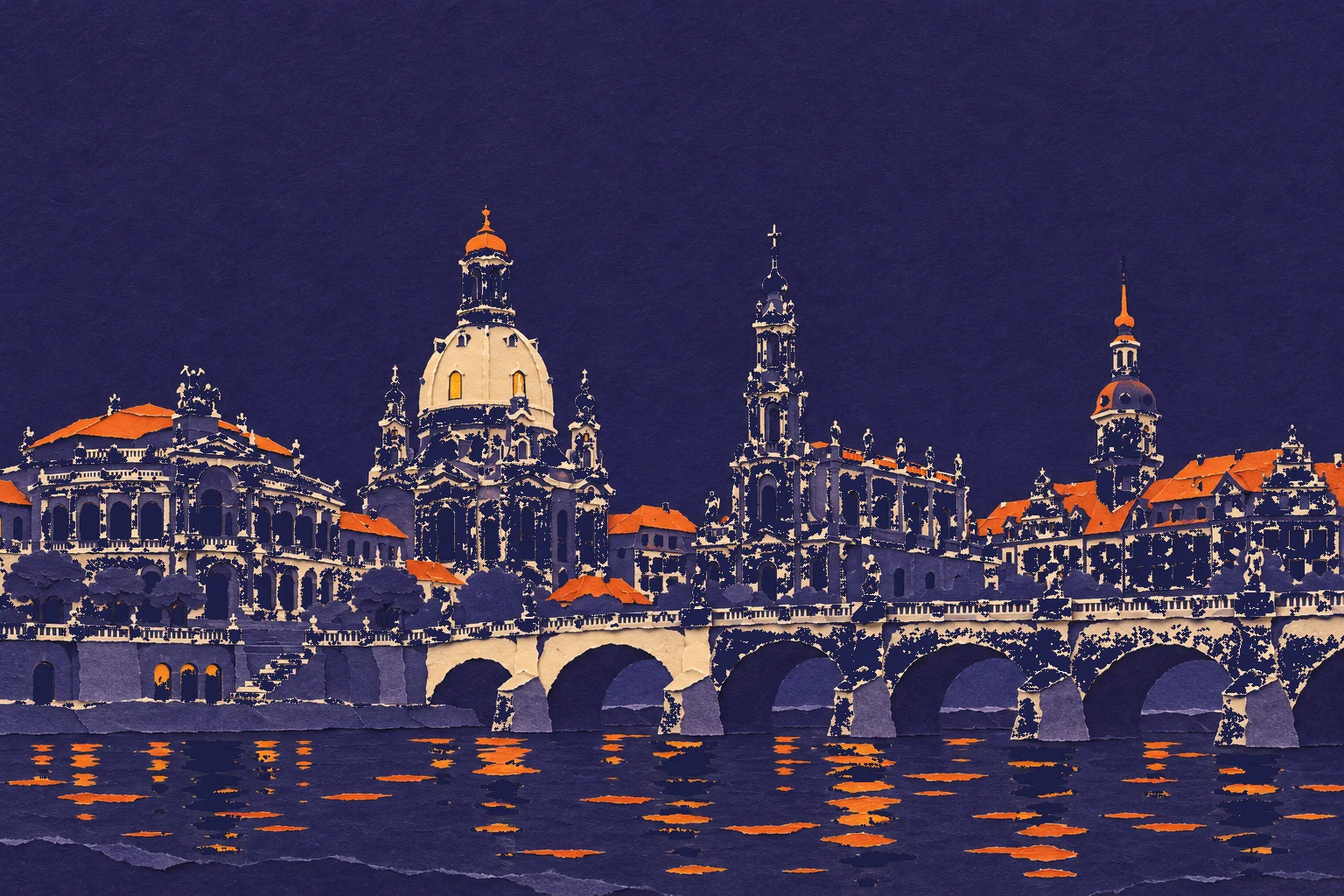


The places that make Dresden: Frauenkirche, Semperoper, Zwinger and more, with what is on there next.
George Bähr's church, built from 1726 to 1743, destroyed in February 1945 and left as a ruin and memorial. It was rebuilt from 1993 and consecrated in 2005. You can climb the dome, and it hosts concerts.
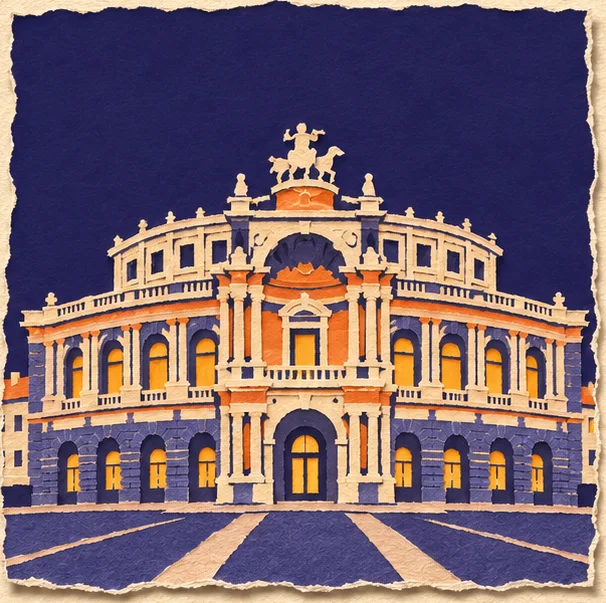
Gottfried Semper's opera house on the Theaterplatz, opened in 1878 and reopened on 13 February 1985 with Der Freischütz. The Staatskapelle Dresden and the Semperoper Ballett perform here, and there are guided tours by day.
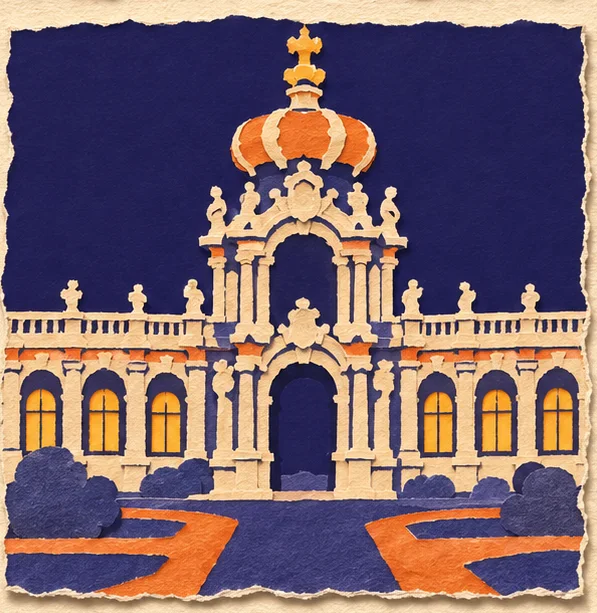
Matthäus Daniel Pöppelmann's baroque courtyard, built from 1711 to 1728. The Semper wing holds the Old Masters Picture Gallery with Raphael's Sistine Madonna, and there is the porcelain collection too.
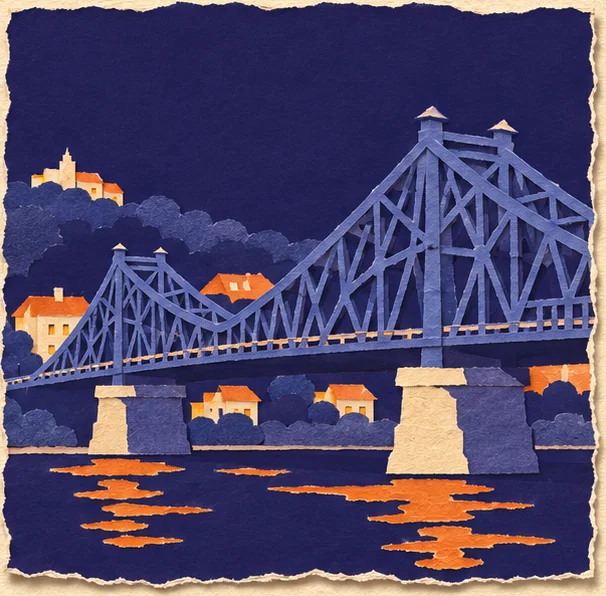
The Loschwitz Bridge of 1893 joins Blasewitz and Loschwitz across the Elbe. It survived 1945 because its demolition was prevented.
The palace was the seat of Saxony's rulers from 1485. On the ground floor is the Historic Green Vault that Augustus the Strong had fitted out from 1723 to 1729, and upstairs the New Green Vault with single pieces behind glass.
The terrace above the Elbe, from the grand staircase on the Schlossplatz to the Bärenzwinger, about 500 metres long and also called the Balcony of Europe. It looks out over the river and the Neustadt.
A mural 102 metres long, made of about 23,000 Meissen porcelain tiles. It shows Saxony's rulers of the House of Wettin from 1127 to 1902.
The paddle steamers of the Sächsische Dampfschifffahrt, such as the Leipzig and the Pillnitz, take you out on the Elbe. In 2026 the fleet marks 190 years of steamboats.