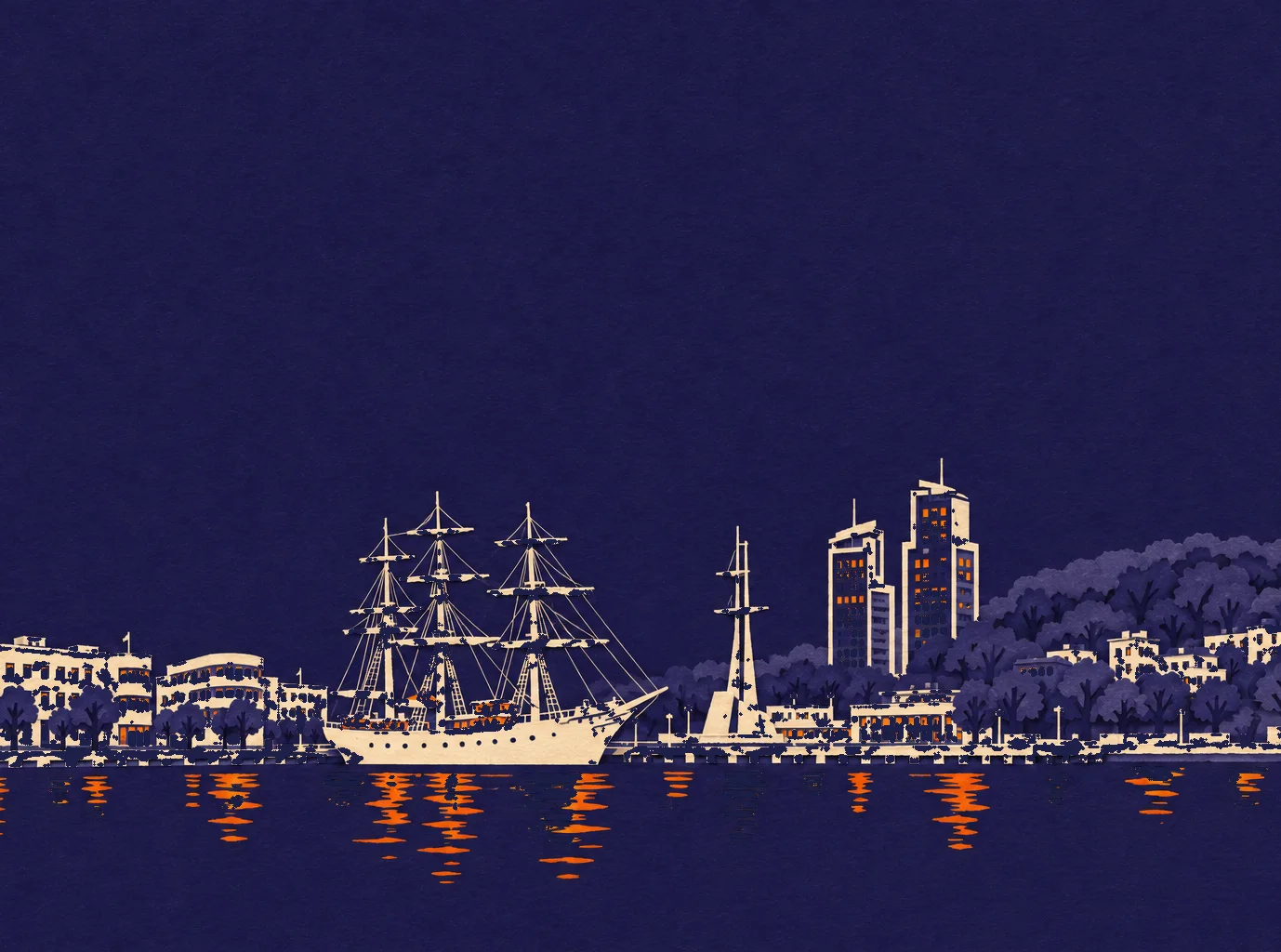
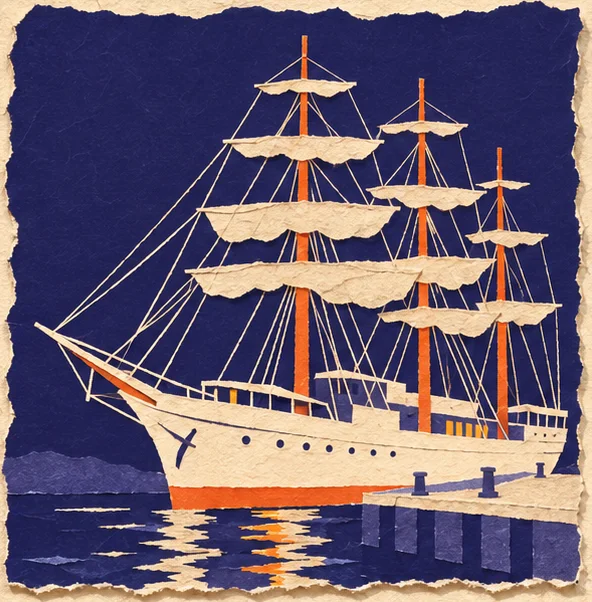
A sailing ship built in 1909 that trained the students of Gdynia’s Maritime School from the 1930s to the 1980s. Today it is a museum ship of the National Maritime Museum, moored at Nabrzeże Pomorskie by Skwer Kościuszki; entry is paid.
Sea Towers
Outdoors
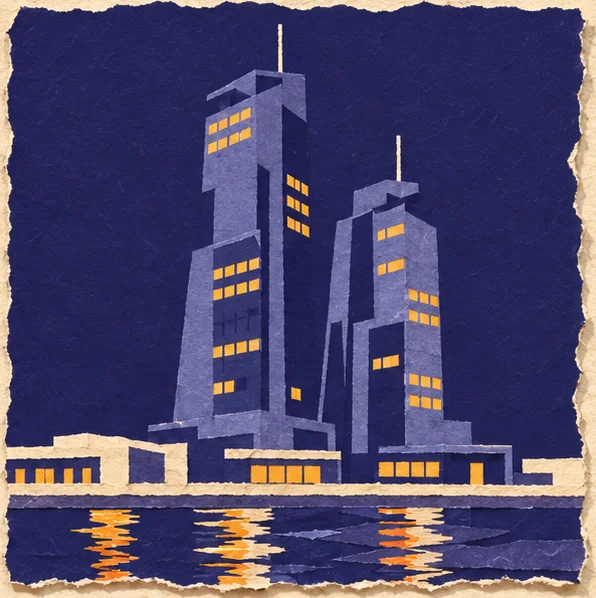
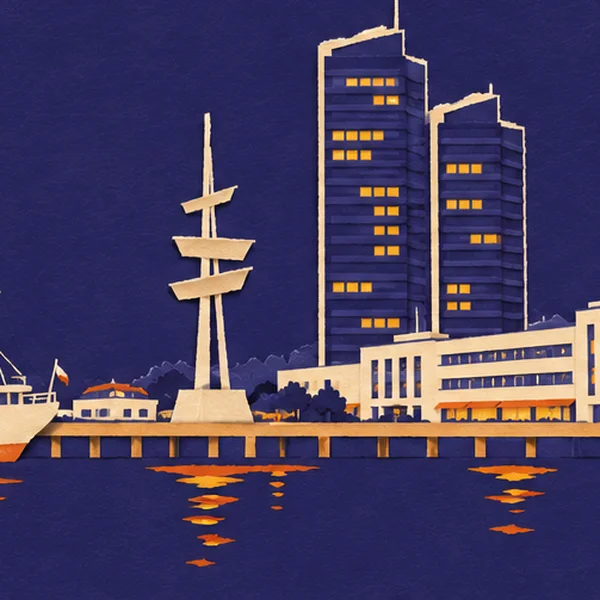
The two glass residential towers by the marina that rise over the city centre and stand out on Gdynia’s skyline from the sea. The flats are private, so you see them from the boulevard and Molo Południowe.
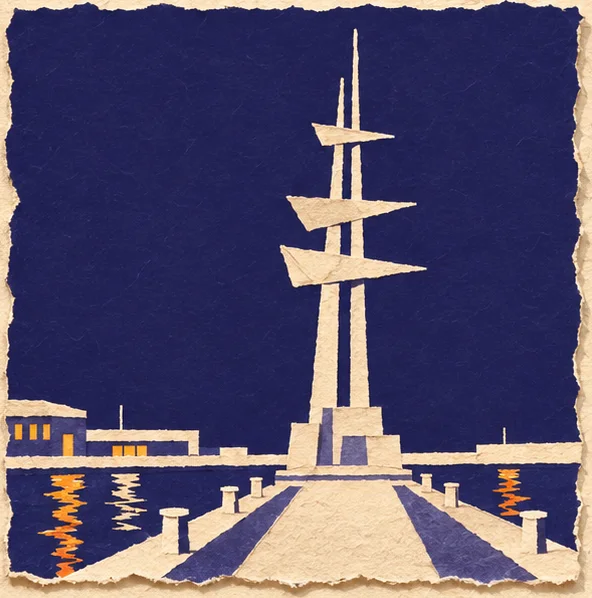
The city’s tourist heart: the square runs onto the South Pier (Molo Południowe) with the Monument of Polish Maritime, a fountain, the Joseph Conrad monument, the Żagle (Sails) monument and Poland’s only Alley of Passenger Ships. Walking it is free.
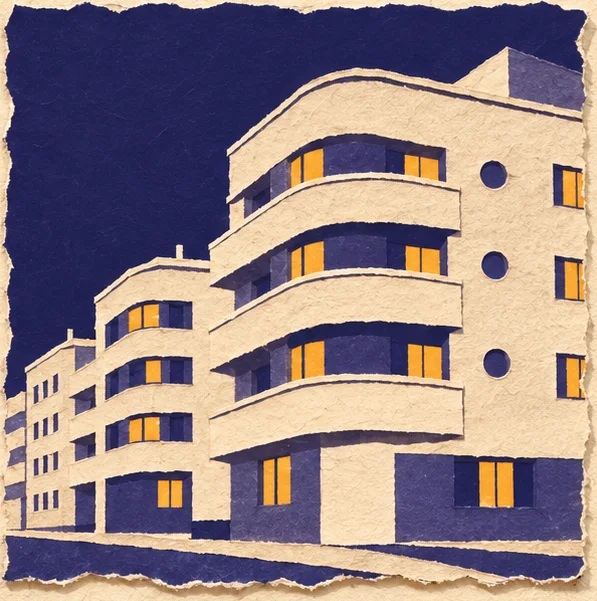
The white modernist city centre that took shape in the 1930s: about 450 buildings on 88 hectares, entered on the UNESCO World Heritage List in July 2026. The Gdynia Modernism Trail follows five routes, from Świętojańska street to Kamienna Góra; walking them is free.
A pier built in 1934, 430 metres long for the White Fleet’s boats and cut to 180 metres in 1953. From it you see the cliff of the Kępa Redłowska nature reserve and, across the bay, the pier of neighbouring Sopot.
A short free cable railway from Plac Grunwaldzki up Kamienna Góra, a two-minute ride to the park, the amphitheatre and a viewpoint over the city. It runs every day from 10:00 to 20:00.