York Minster
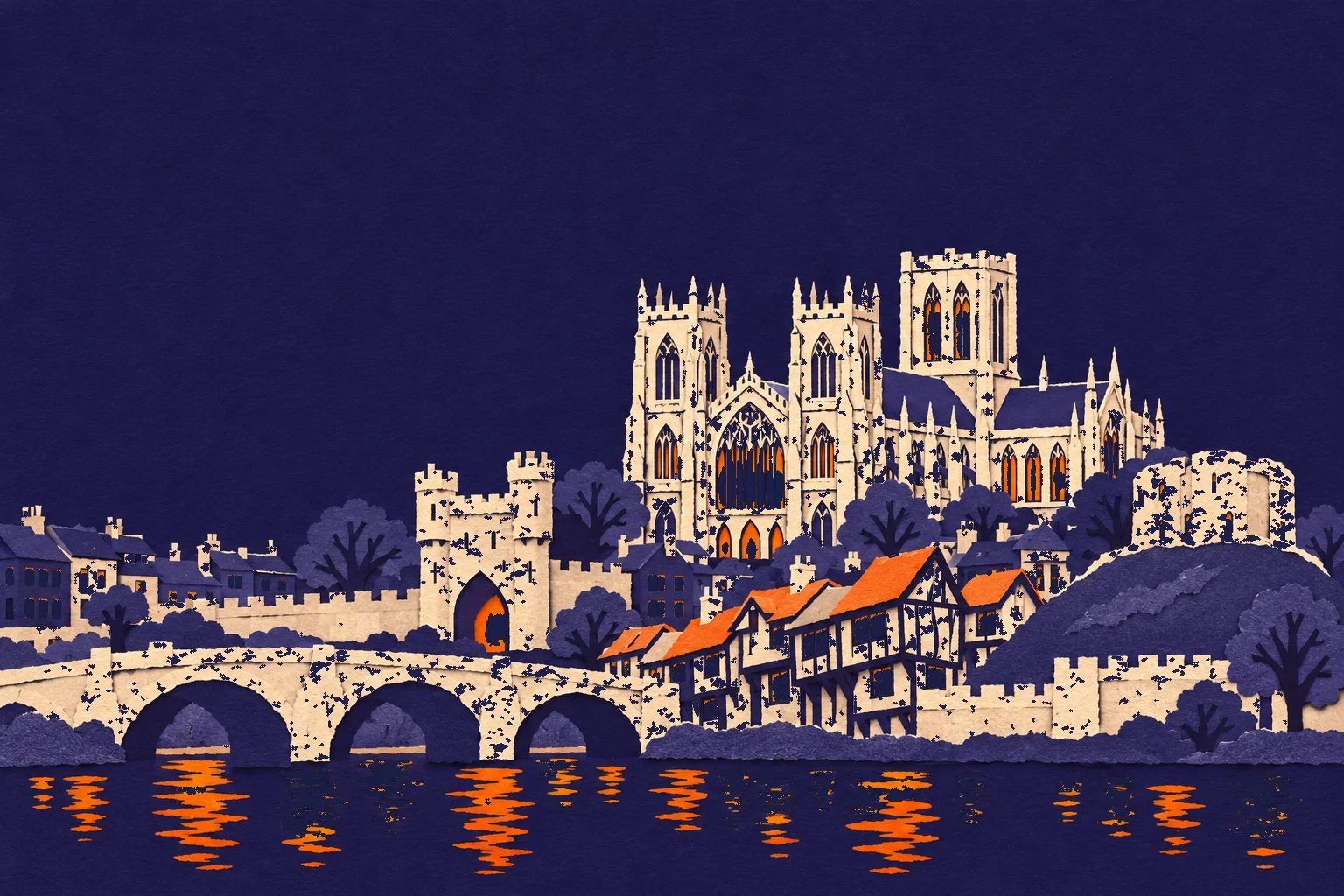
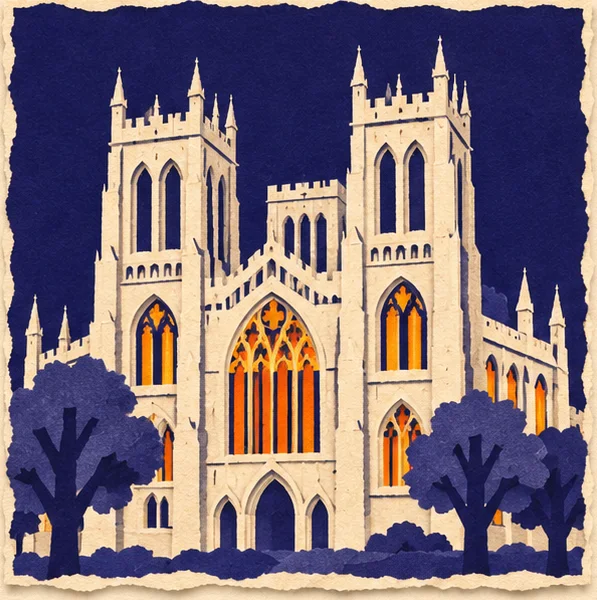
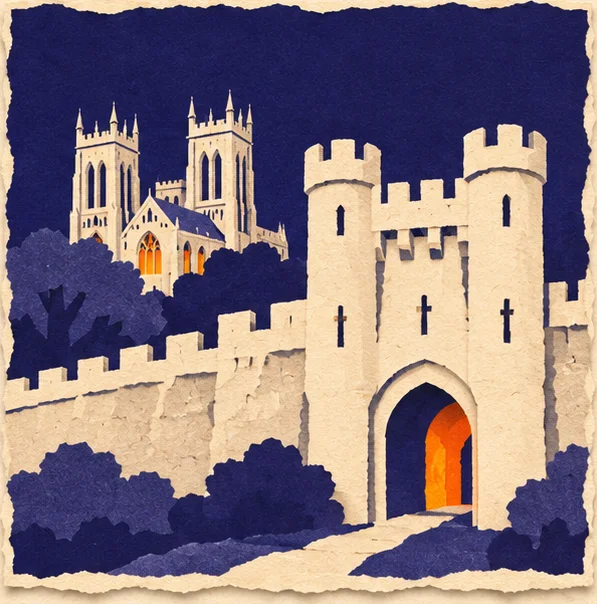
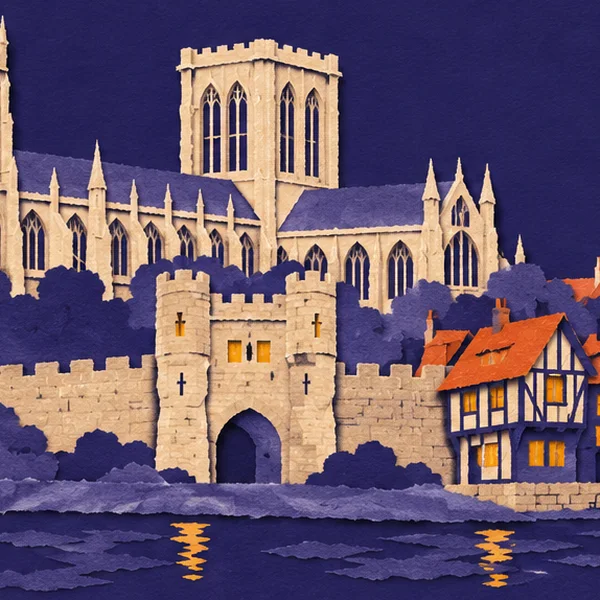
The Gothic cathedral at the centre of the city, built between about 1220 and 1472. The Great East Window is the largest single expanse of medieval stained glass in Britain, made of 311 panels. Visitors can climb the 275 steps of the central tower for views over the city.
The Shambles
Outdoors
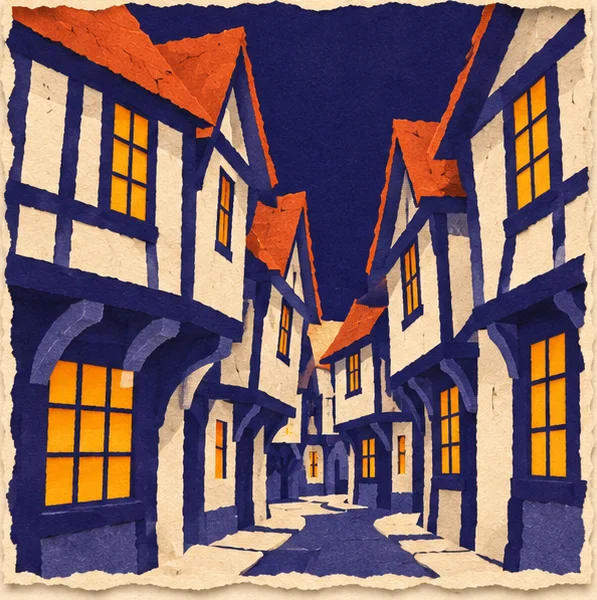
A lane so narrow that the upper floors of its jettied, timber-framed houses lean towards each other. The name comes from the Great Flesh Shambles, the butchers' stalls that stood here, and the council's heritage record counts 25 butchers' shops on the street in 1830. Only two remain today.
Clifford's Tower
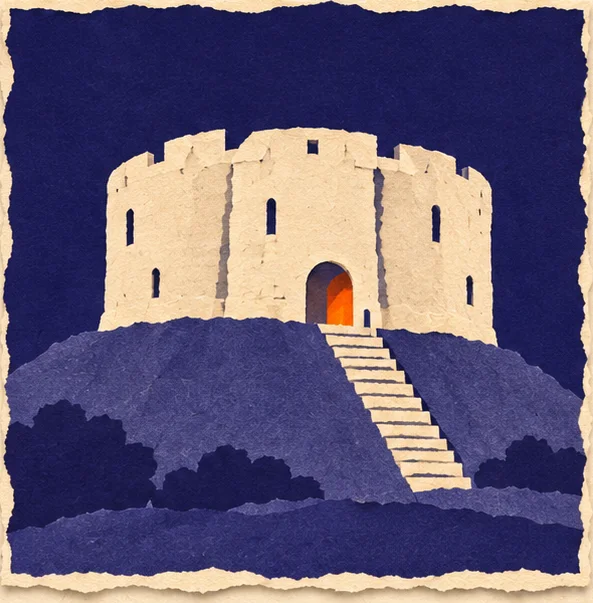
The largest surviving part of York Castle, a medieval tower on a steep mound. The timber roof deck has views all around the city and its surroundings, and inside the tower the story includes the anti-Jewish pogrom of 1190 and the fire of 1684.
The City Walls
An elevated circular walkway on York's city walls, free to walk on foot all year. It passes the gateways of Bootham Bar, Monk Bar, Walmgate Bar and Micklegate Bar, and the walls carry more than two thousand years of the city's history.
JORVIK Viking Centre
A museum on Coppergate, built on the site York Archaeological Trust excavated from 1976 to 1981. A ride takes you through a reconstruction of the Viking-age street. It opened in 1984 and reopened in 2017 after the floods of December 2015.
National Railway Museum
Entry is free. The Great Hall is packed with railway objects, the record-breaking Mallard is on show, and Station Hall reopened in September 2025 after a refurbishment. Open daily; booking a free ticket is recommended.
Yorkshire Museum and Museum Gardens
Opened in 1830 in the Museum Gardens, on land that was once part of St Mary's Abbey, whose remains can still be seen in its basement. It holds Roman, Viking and medieval finds, among them the Coppergate Helmet and the Middleham Jewel.
York Castle Museum
A museum in the old prisons beside Clifford's Tower, opened in 1938. Kirkgate, its recreated Victorian street, was the first of its kind to open in Britain. The Debtors' Prison, built in 1705, once held Dick Turpin.