Edinburgh Castle
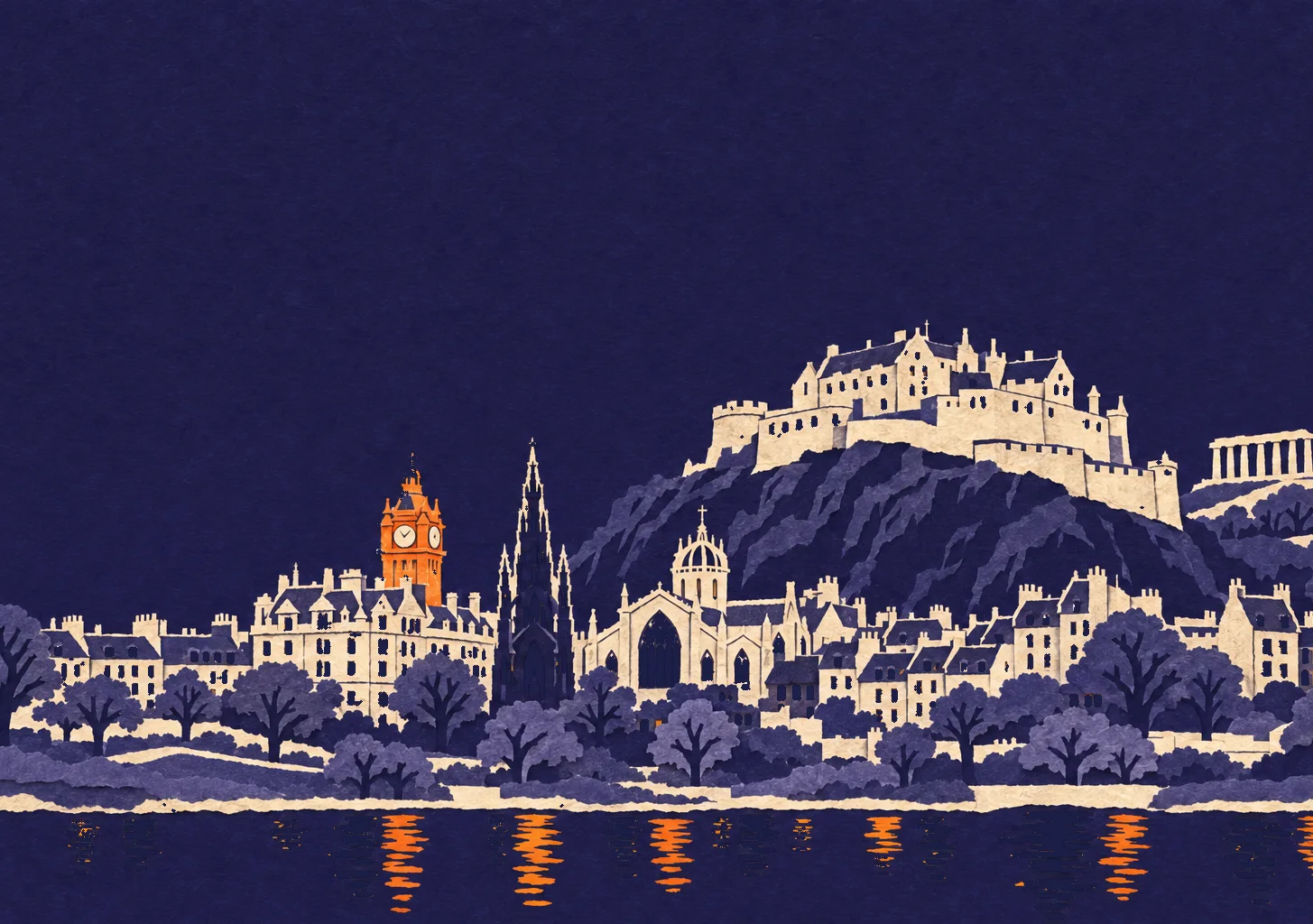
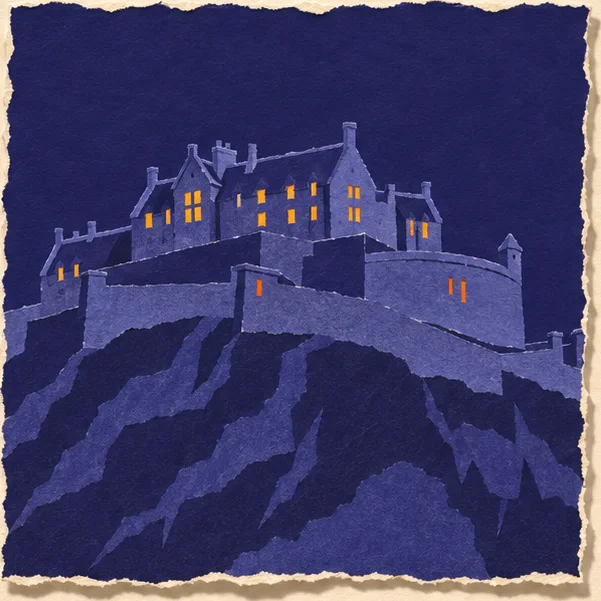
The castle stands on Castle Rock, the plug of an extinct volcano, at the top of the Royal Mile. Inside are the Honours of Scotland, the crown jewels of the country, the great medieval gun Mons Meg, and St Margaret's Chapel, from the early 12th century and usually named as the city's oldest building. It opens from 09:30 daily.
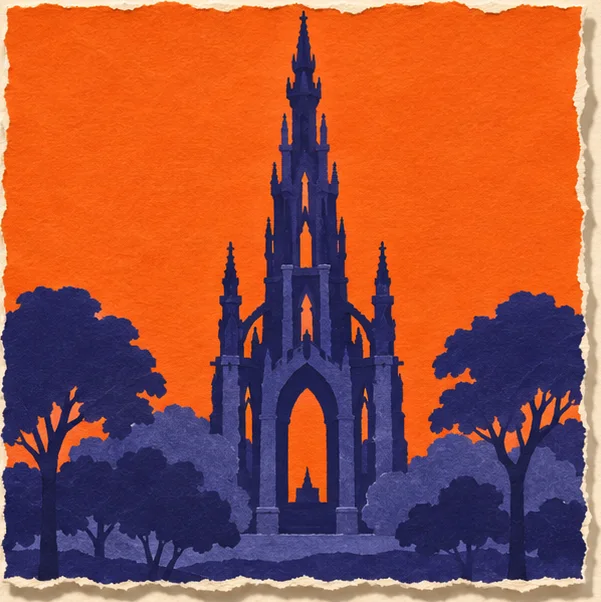
Scott Monument
The Gothic spire for Sir Walter Scott on Princes Street, 61 metres tall. George Meikle Kemp won the design competition in 1838; the monument was finished in 1844 and opened in 1846. It is run by Culture Edinburgh for the council, and you climb inside it to a viewing platform above Princes Street Gardens.
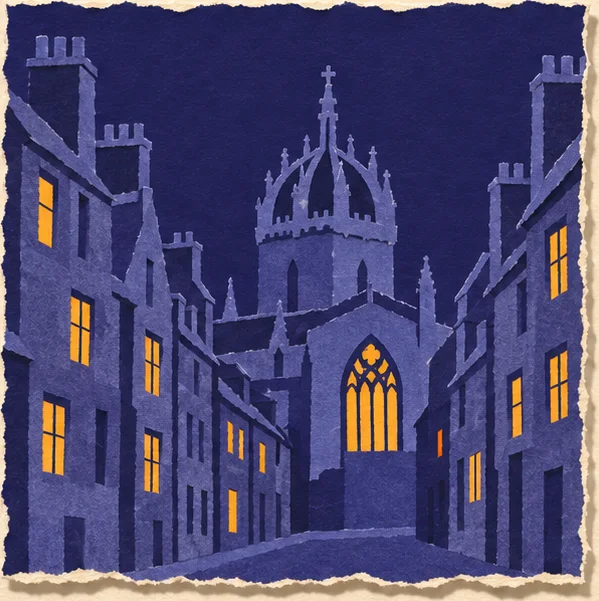
St Giles' Cathedral and the Royal Mile
The old street of tall stone tenements that runs down from the castle, with St Giles' Cathedral and its crown-shaped steeple halfway along. St Giles' was founded in the 12th century, its steeple dates from the 1460s, and the Thistle Chapel, the chapel of Scotland's chivalric order, was added in 1911.
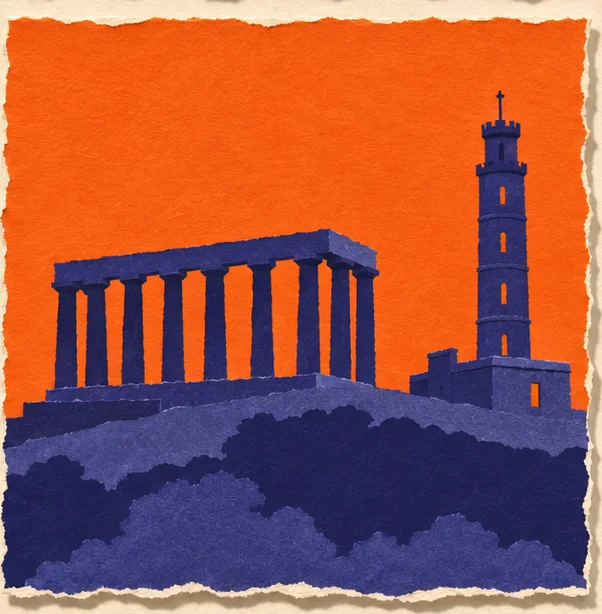
Calton Hill
The hill at the east end of Princes Street, with views over the city and a row of monuments. The National Monument was started in the 1820s as a copy of the Parthenon and never finished: only a row of columns stands. The Nelson Monument, built between 1807 and 1815 for the victory at Trafalgar, has a time ball that drops each day at one o'clock as the castle's gun is fired.
National Museum of Scotland
The national museum on Chambers Street, in two linked buildings: the Victorian one with its iron-framed Grand Gallery and the modern Museum of Scotland building, opened in 1998. Dolly the sheep, the first mammal cloned from an adult cell, is on show here. Entry is free.
Arthur's Seat
The hill of about 250 metres in Holyrood Park, just east of the centre, the main peak of an ancient volcano. The easiest way up is from the east, above Dunsapie Loch. The park also has lochs, cliffs and the ruin of St Anthony's Chapel on the hillside.