Eiffel Tower
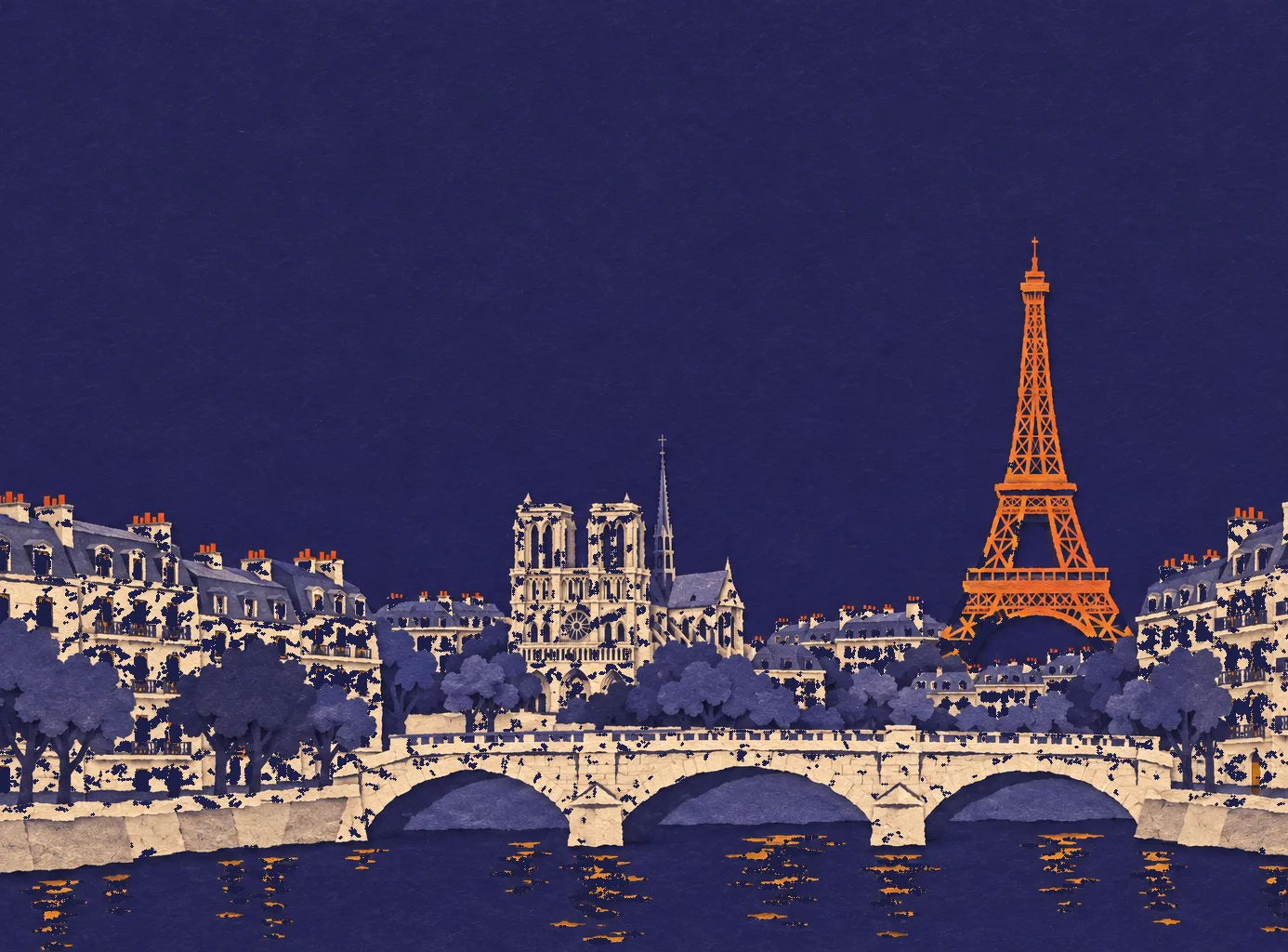
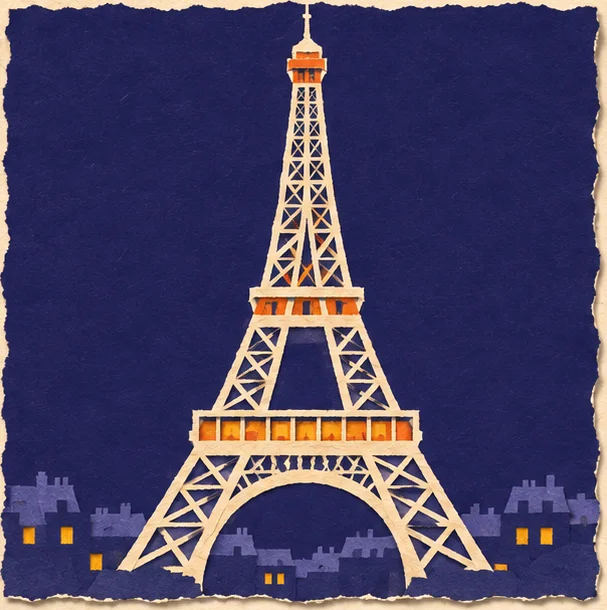
The iron tower on the Champ-de-Mars, built from 1887 to 1889 and opened on 15 May 1889. With its antenna it is 330 metres tall, 300 without. Three levels are open to visitors, by lift or, on the lower ones, by stairs. The best views of it are from the Trocadéro and the Champ-de-Mars.
Notre-Dame de Paris
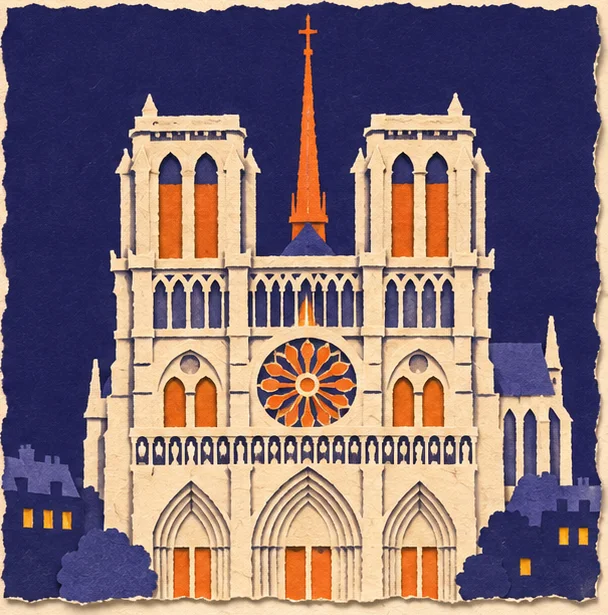
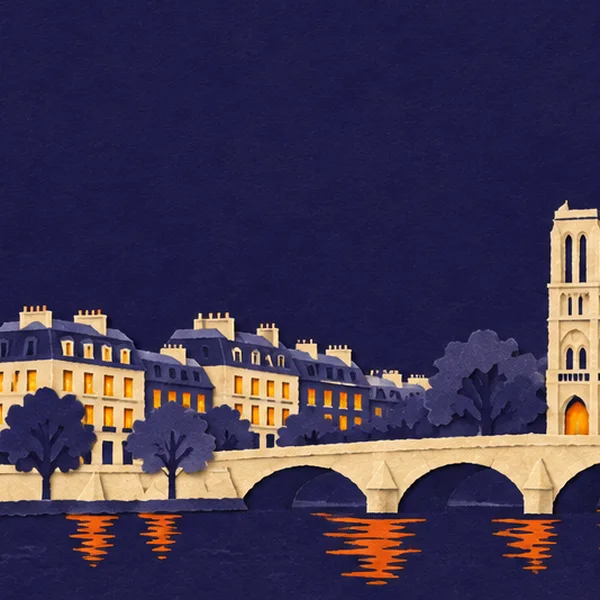
The cathedral on the Île de la Cité, begun in 1163. On 15 April 2019 a fire destroyed its spire and roof, and it reopened with ceremonies on 7 and 8 December 2024. Visiting the nave is free, and a free time slot can be booked in busy seasons; the towers and the treasury have their own tickets.
Sacré-Cœur
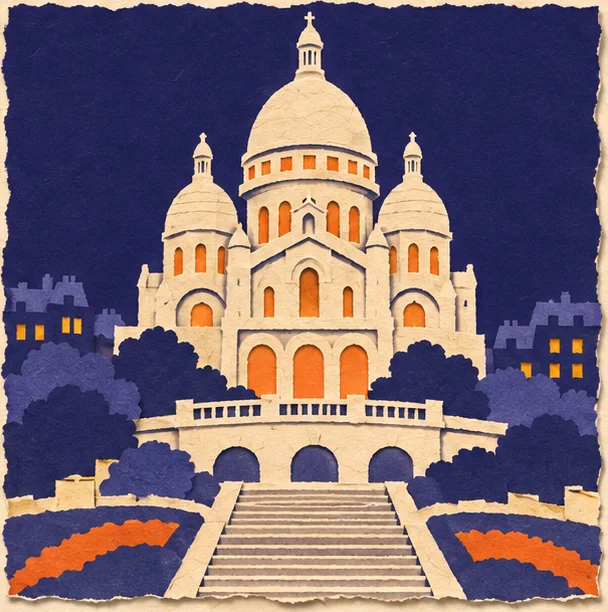
The white basilica on the hill of Montmartre, 130 metres high. It was built from 1875 to 1914 and consecrated in 1919, and its dome rises about 83 metres. The basilica is free to enter and open every day from 6:30 to 22:30; a separate ticket takes you up into the dome, and there are 222 steps on rue Foyatier or a funicular.
Arc de Triomphe
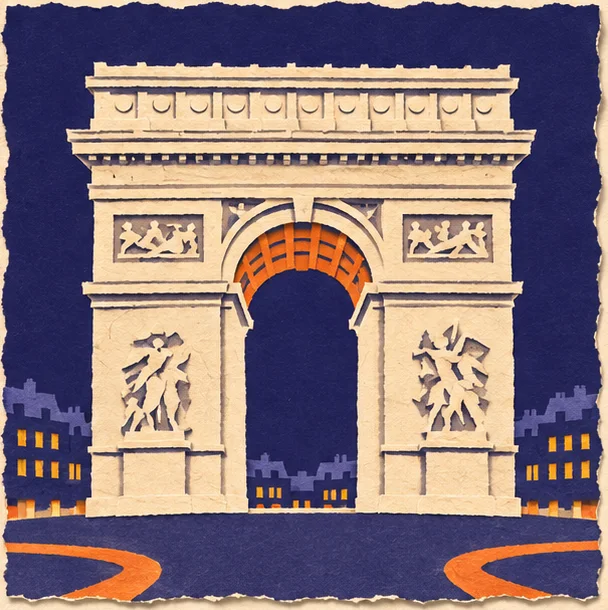
Napoleon ordered the arch in 1806 after Austerlitz, and it was inaugurated on 29 July 1836. It is 49.5 metres high and stands on the Place Charles-de-Gaulle, where twelve avenues meet. The Unknown Soldier of the First World War has lain beneath it since 28 January 1921. The terrace is reached by 284 steps.
Louvre Museum
The museum opened on 10 August 1793 in a royal palace that dates back to the late 12th century. Today it is the world's largest museum by exhibition area, with the Mona Lisa as its best-known work. It is closed on Tuesday, open until 21:00 on Wednesday and Friday, and free for visitors under 18 and EEA residents under 26; booking a time slot is advised for everyone.
Musée d’Orsay
The museum in a railway station built from 1898 to 1900 for the World's Fair, with its great clock still in the main hall. It opened as a museum in December 1986 and shows mostly French art from 1848 to 1914, the years of Impressionism. It is closed on Monday and open late on Thursday.
Sainte-Chapelle
The royal chapel inside the Palais de la Cité on the Île de la Cité, consecrated on 26 April 1248. Louis IX had it built to hold the relics of the Passion, among them the Crown of Thorns. The upper chapel has fifteen stained-glass windows, each about 14 to 15 metres tall.