Live music in France
Going to a gig
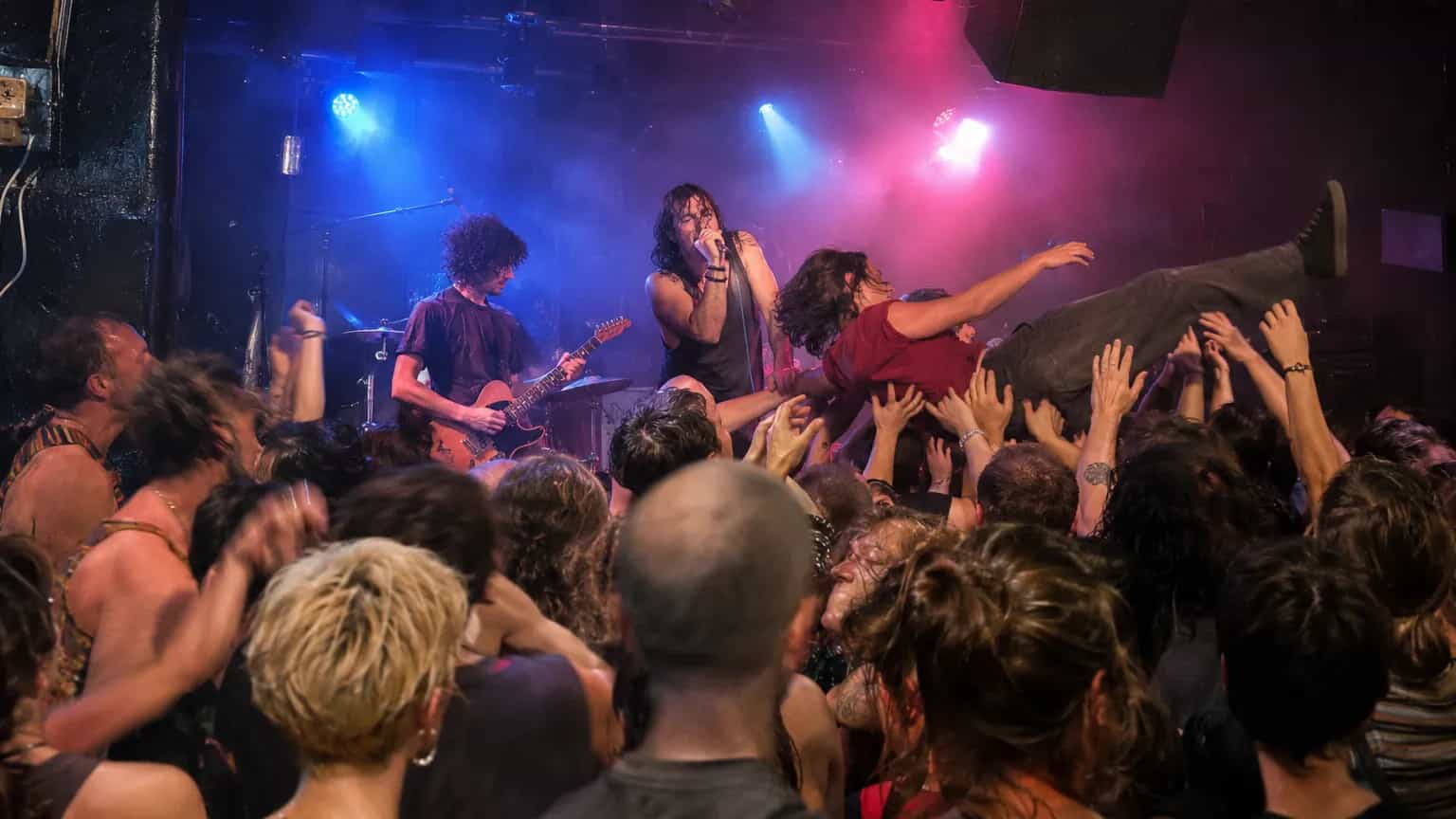
There is no dress code and nobody checks how well you know the band. Here is what actually happens at a concert in France, and how to get the best night for the least money.
Finding a gig
Start with the agenda: filter by the day, your city and a genre, and open a gig to see the venue, the time and where the tickets are sold.
Big tours go on sale months ahead, small clubs often a few weeks before. Following the venue's own newsletter is the surest way to hear first.
Tickets
Buy through the venue's own shop or the ticket partner it links to. Prices on the page are the price of the ticket, and a small service fee is often added at checkout.
If a show is sold out, look for returns and for official resale on the venue's site, and be careful with tickets sold by strangers.
Doors, support and curfew
Doors usually open an hour or two before the main act. A support act often plays first, and the headliner goes on around nine in the evening.
Most concerts in halls and clubs are over by eleven or midnight, so you can plan the trip home; club nights run later.
At the venue
Most venues have a cloakroom for a few euros and a bar with beer, soft drinks and often food. Bring a card and a little cash: some bars accept only one of the two.
Concerts are loud. Earplugs lower the volume without taking the music away, and venues with amplified music must make hearing protection available to the public, free of charge (decree 2017-1244).
Getting home
Check the SNCF Connect journey planner for the last train before the night, and the local transport network's timetable (RATP in Paris, TCL in Lyon, RTM in Marseille, Tisséo in Toulouse) for the last metro, bus or tram, because outside the big cities the last connections leave early.
In the big cities, a city bike (Vélib’, Vélo’v…) or a ride-hailing car gets you home at night; check the timetables before the evening.
