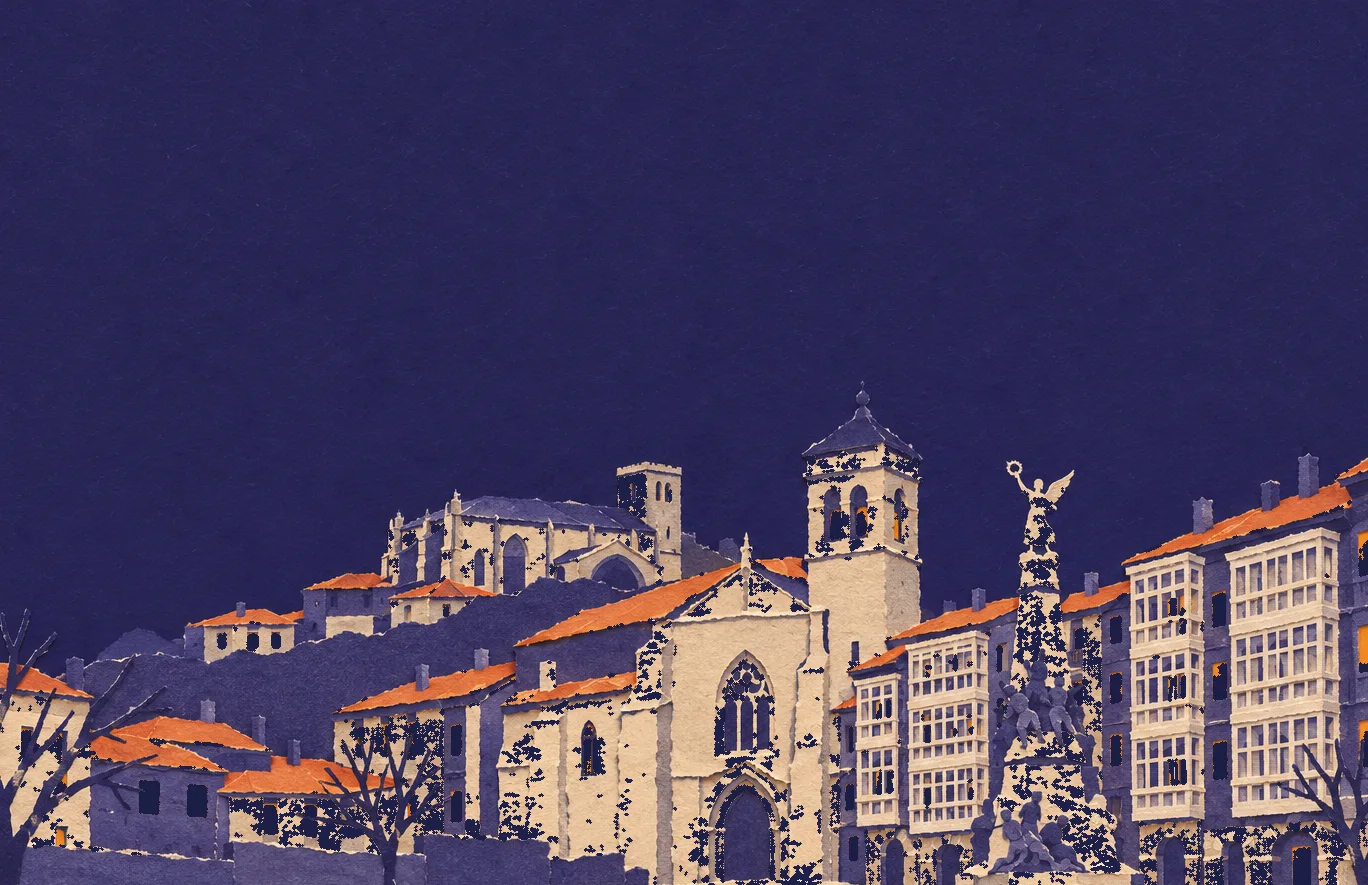
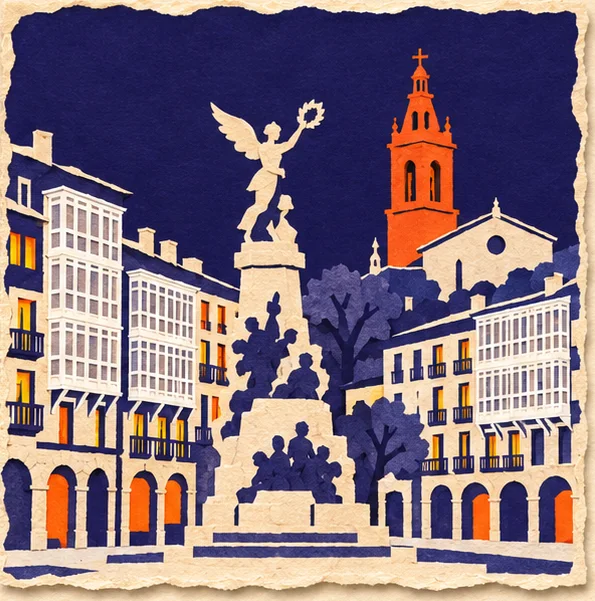
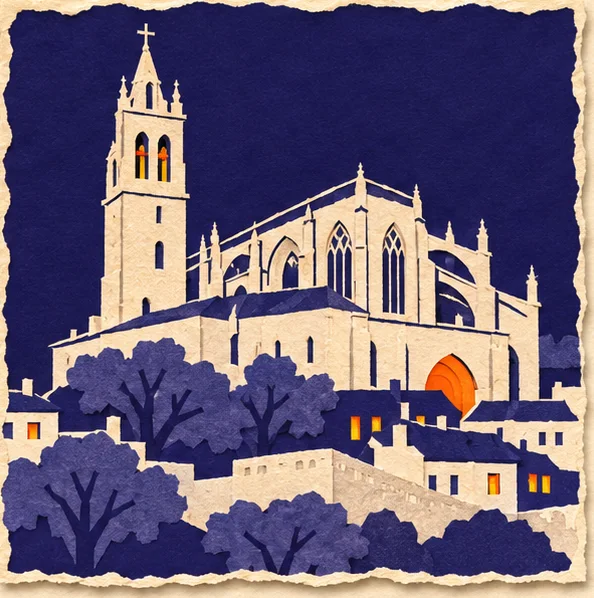
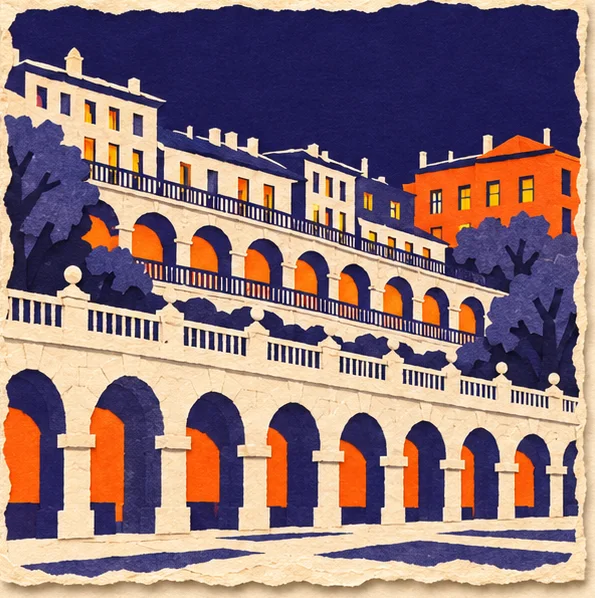
The places that make Vitoria: Plaza de la Virgen Blanca, Santa María Cathedral, Los Arquillos and Plaza de España and more, with what is on there next.
Plaza de la Virgen Blanca
Outdoors
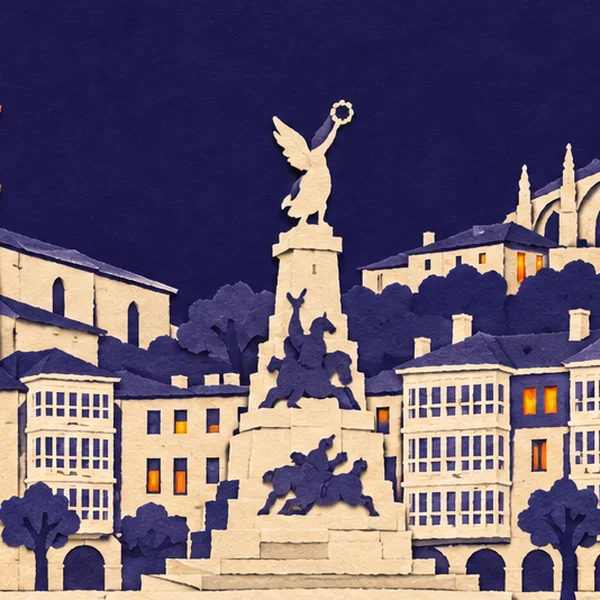
The main square of Vitoria-Gasteiz, at the foot of the church of San Miguel. At its centre stands the monument to the Battle of Vitoria of 21 June 1813, by Gabriel Borrás, who won the 1913 competition. Celedón comes down into it on 4 August.
The old cathedral, known for its “Abierto por obras” guided tours through the restoration works, which inspired Ken Follett’s World Without End. The restoration took about 25 years and ended in 2025. It is seen on guided tours only, booked in advance.
Los Arquillos and Plaza de España
Outdoors
Neoclassical arcades by Justo Antonio de Olaguíbel, begun in 1787, that climb the slope between the medieval hill and the Ensanche. Beside them, the Plaza de España (Plaza Nueva) was the city’s first neoclassical square and a listed monument since 1984.
Anillo Verde and the Salburua wetlands
Outdoors
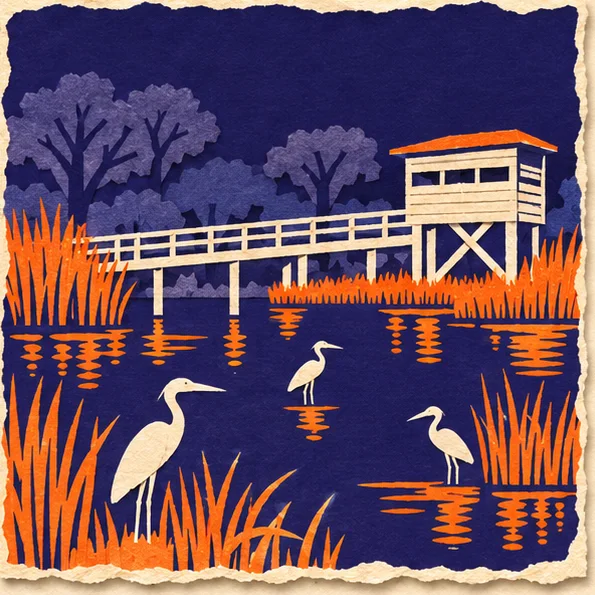
A ring of parks around the city, more than 30 kilometres round: the Salburua wetlands with the Ataria centre, Armentia, Olarizu, Zabalgana and the Zadorra. You walk or cycle it freely.
Casco Medieval (Alde Zaharra)
Outdoors
The medieval hill, with streets named after the old guilds: Cuchillería, Zapatería, Pintorería and Herrería. Today they are the city’s busiest bar streets.
Two museums in one: the Fournier playing-card museum in the Palacio de Bendaña and the archaeology museum in a building by Patxi Mangado. Entry is free; closed on Mondays.