The places that make Vigo: Cíes Islands (Illas Cíes), O Sireno, Monte O Castro and more, with what is on there next.
Cíes Islands (Illas Cíes)
Outdoors
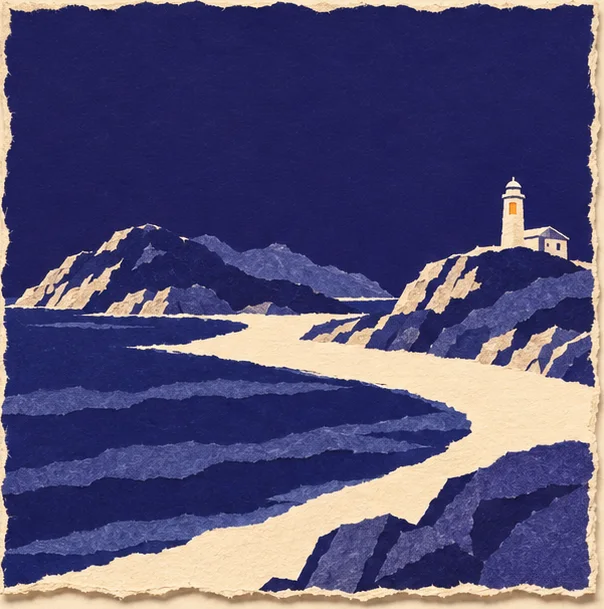
The archipelago at the mouth of the ría, part of the Atlantic Islands of Galicia National Park. In 2007 The Guardian named its Rodas beach the best in the world. Ferries leave from Vigo, Cangas and Baiona; at Easter and from 15 May to 15 September you also need a free permit from the Xunta, and about 1,800 visitors a day are allowed.
O Sireno
Outdoors
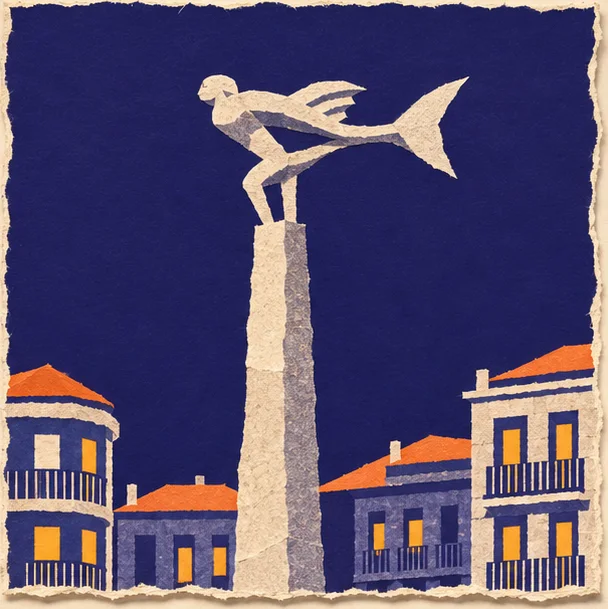
Francisco Leiro’s aluminium sculpture on black granite columns, about seven metres up over Porta do Sol. It caused a row when it went up in 1991 and is now a symbol of modern Vigo.
Monte O Castro
Outdoors
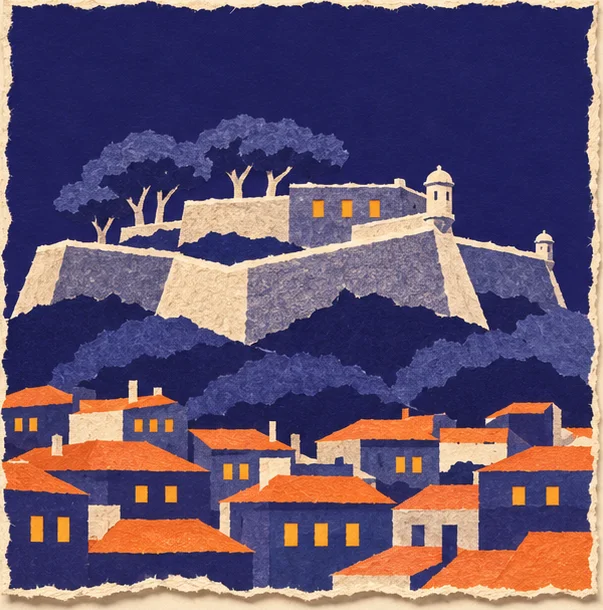
The hill park in the middle of the city and its best viewpoint, topped by a fortress from about 1665 that was besieged in 1719. Its underground galleries open for guided visits.
Rúa da Pescadería
Outdoors
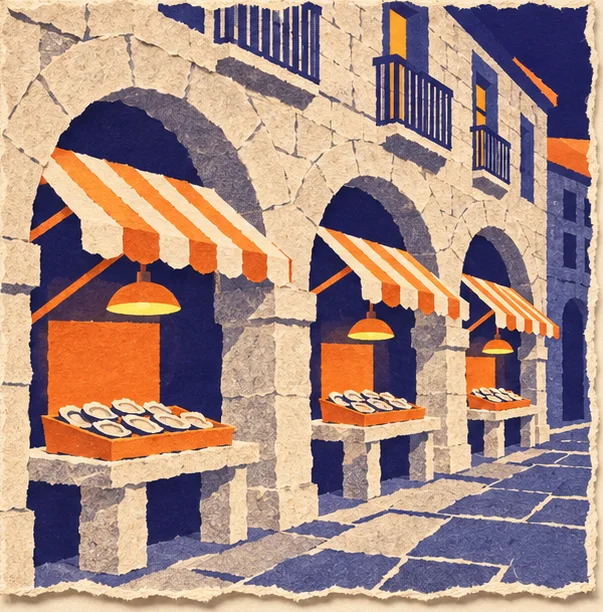
The oyster street of A Pedra, in the Casco Vello. The ostreiras open oysters from Arcade at their stalls, roughly from 10:00 to 15:30, and you eat them at the bars next door with a Rías Baixas white.
Concatedral de Santa María
Indoors
The co-cathedral of the Casco Vello, by Melchor de Prado y Mariño: mainly Neoclassical, with Baroque towers, built from 1816 to 1834.
Parque de Castrelos and Pazo Quiñones de León
Outdoors
Vigo’s largest park, about 220,000 m². The 17th-century Pazo Quiñones de León holds the Museo Municipal, and the Romanesque church of Santa María de Castrelos stands next to it.
Museo do Mar de Galicia
Indoors
Galicia’s sea museum in Alcabre, by Aldo Rossi and César Portela, in a former cannery and slaughterhouse. It has an aquarium of 140,000 litres.