Palau de les Arts and the City of Arts and Sciences
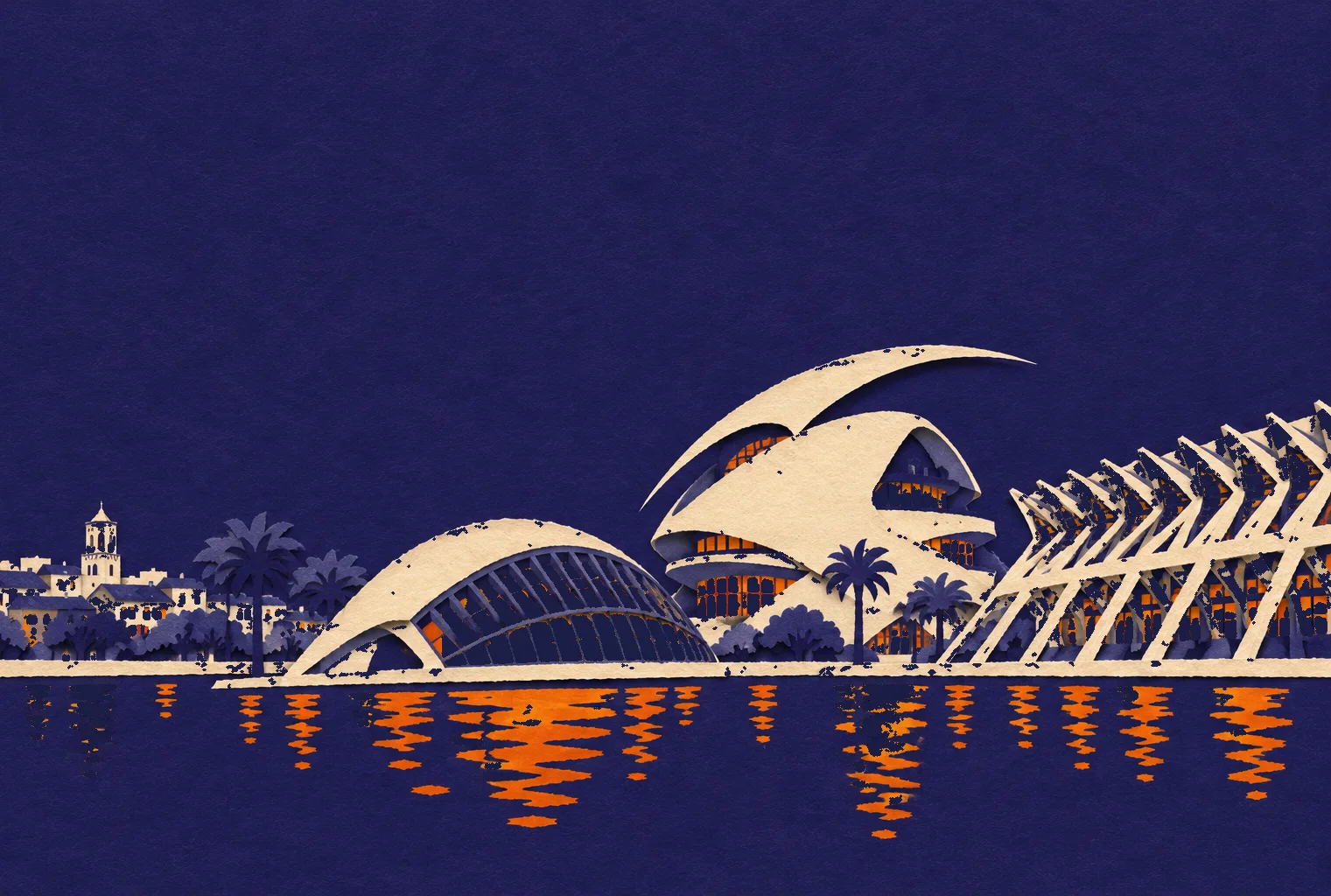
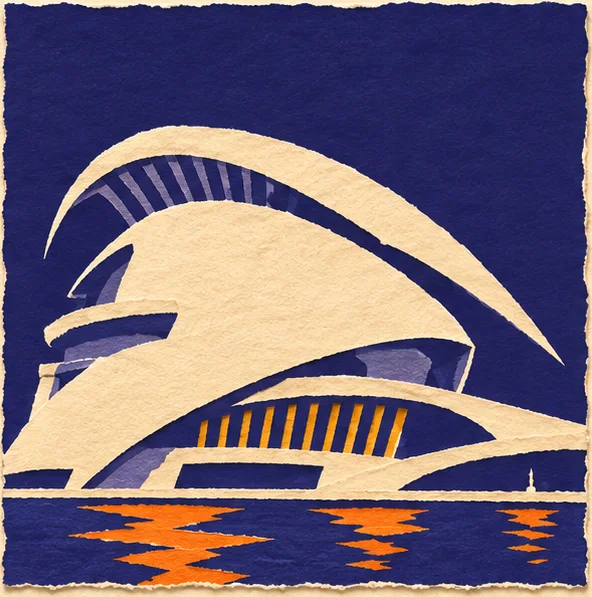
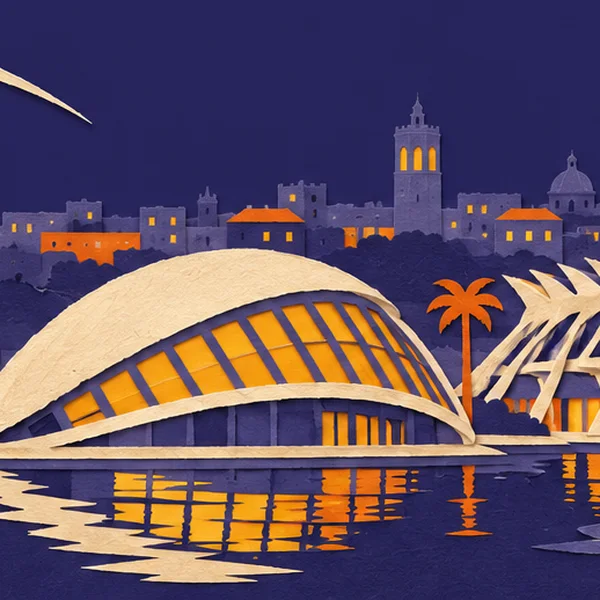
The opera house of the City of Arts and Sciences, designed by Santiago Calatrava and opened on 8 October 2005. Its white shell rises over a long shallow pool, next to the Hemisfèric and the science museum. Operas and concerts are staged here, and there are guided visits of the building.
The Micalet and the cathedral
Indoors
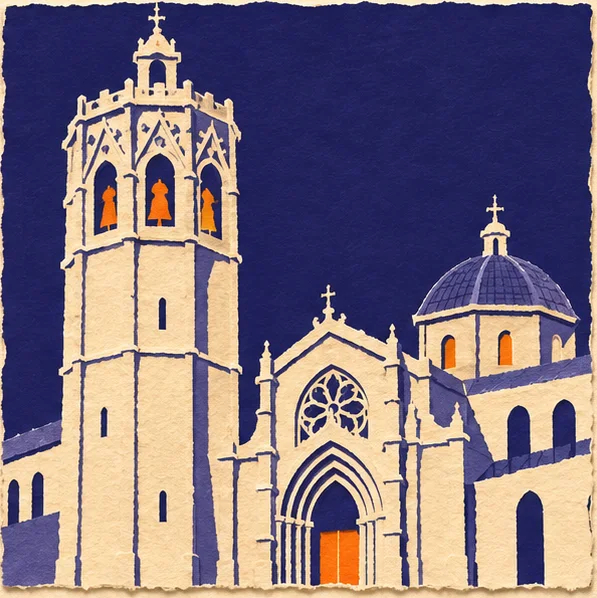
The octagonal bell tower of the cathedral, known as the Micalet (Miguelete in Spanish), rises beside the cathedral on the Plaza de la Virgen. Inside, a spiral staircase of 207 steps leads up to a view of the old town. It opens daily from March to November; check the hours in winter.
Torres de Serranos
Outdoors
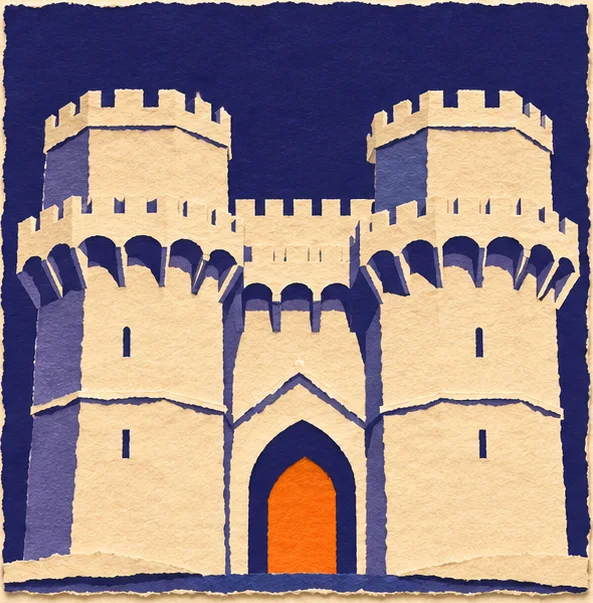
The Gothic gate of the old city wall, with two battlemented towers over a tall arch, beside the Turia gardens. You can climb it for a view of the city. It is open Monday to Saturday from 10:00 to 19:00 and on Sundays and holidays from 10:00 to 14:00; entry costs 2 euros and is free on Sundays and holidays.
Mercado Central
Indoors
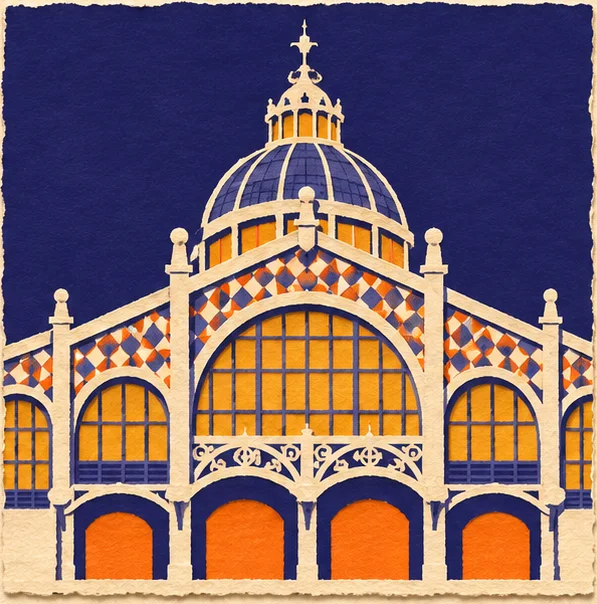
The city's central market, a modernista hall of iron and glass domes and tiled gables. Building began in 1910 and it opened to the public on 15 March 1928. It is open Monday to Saturday from 7:30 to 15:00 and closed on Sundays and holidays.
La Lonja de la Seda
Indoors
The Gothic silk exchange, a UNESCO World Heritage Site since 1996, with its great columned hall. Entry costs 2 euros and is free on Sundays and holidays; it is open Monday to Saturday from 10:00 to 19:00 and on Sundays from 10:00 to 14:00.
Museo de Bellas Artes
Indoors
The city's fine arts museum on Calle de San Pío V, with Valencian painting from the Middle Ages onwards. Entry is free. It is open Tuesday to Sunday from 10:00 to 20:00 and closed on Monday.
Oceanogràfic
Outdoors
The aquarium of the City of Arts and Sciences, opened on 14 February 2003 and described as the largest in Europe, with about 500 species. Ticket offices close one hour before the park does.
Turia gardens
Outdoors
The old riverbed of the Turia, turned into a garden of about 9 kilometres after the flood of 14 October 1957 forced the river to be diverted south. It runs from the Bioparc to the City of Arts and Sciences, with paths for walking and cycling.