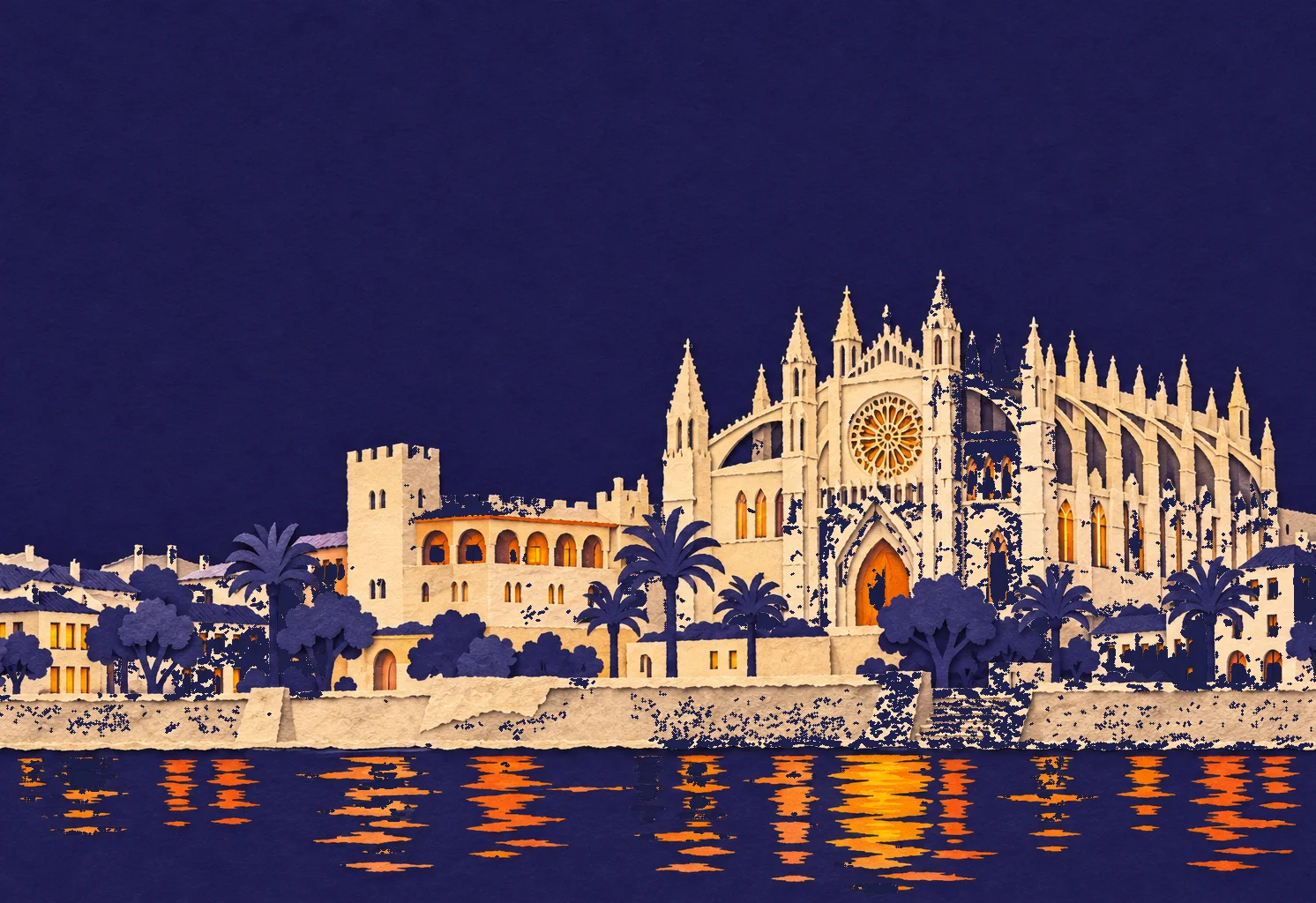
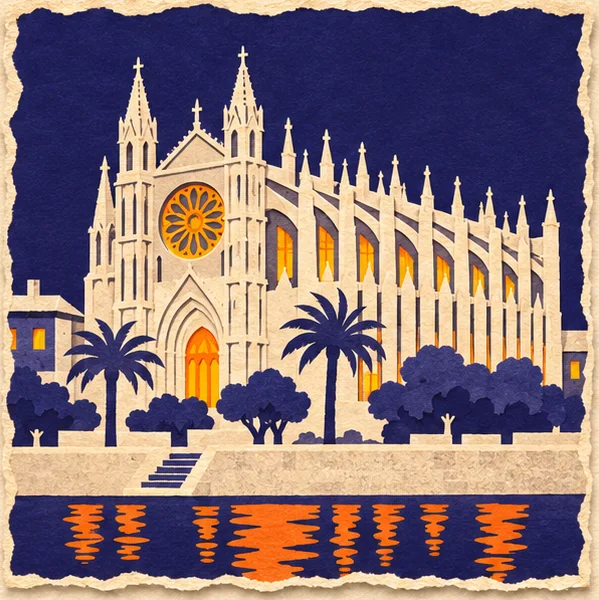
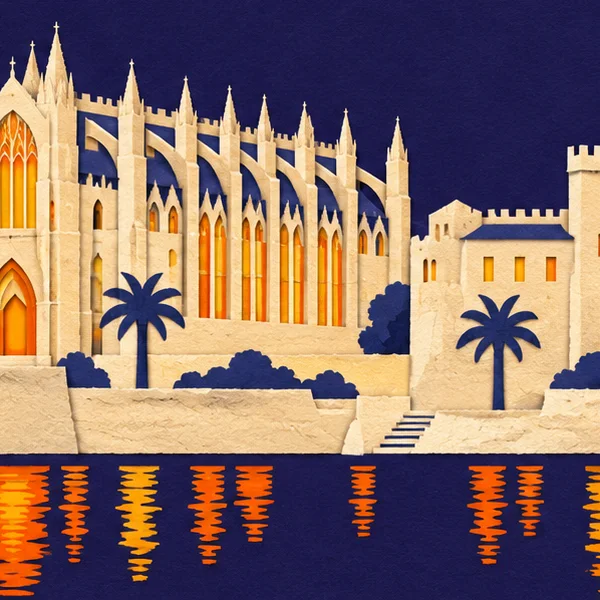
The Gothic cathedral on the seafront, begun after the conquest of 1229, with one of the largest rose windows of any Gothic church. Gaudí reworked its interior in the early twentieth century and Miquel Barceló made the ceramic chapel of the Santíssim. Entry is paid, with a separate guided visit to the roof terraces from spring to autumn.
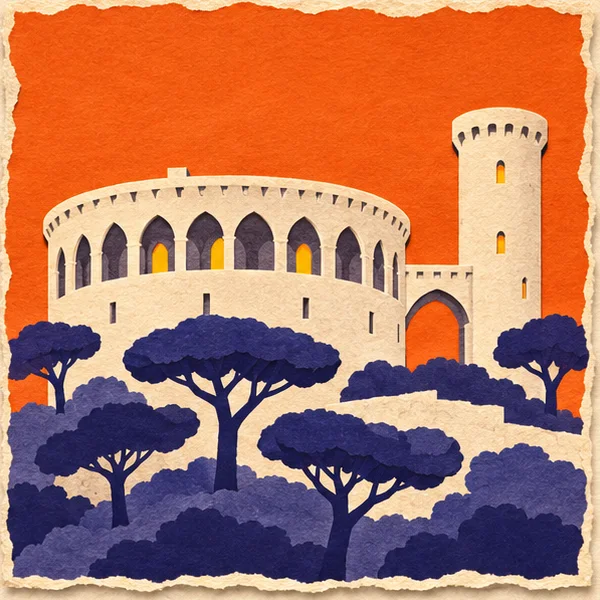
A round Gothic castle of the fourteenth century on a pine-covered hill above the bay, built for King Jaume II. It houses the city history museum, and its roof terrace looks over Palma. Entry is free on Sundays; it is closed on Mondays.
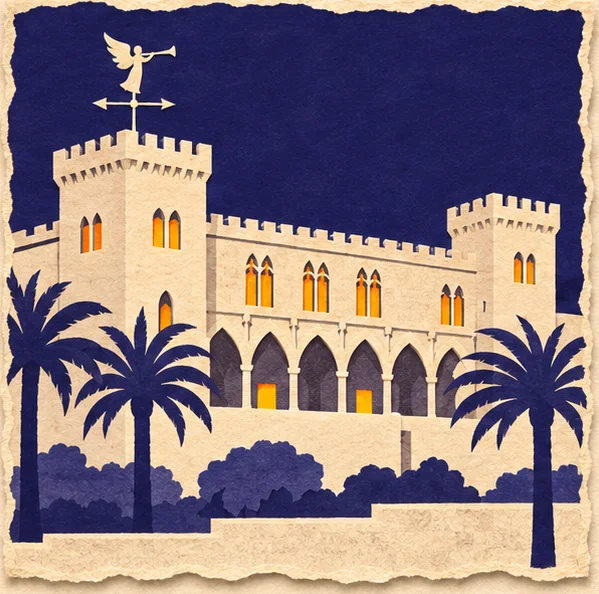
The royal palace beside the cathedral, built on the old Islamic fortress and reshaped by the kings of Mallorca. Run by Patrimonio Nacional, it reopened in July 2026 with a renewed route through its halls and Gothic chapel. EU citizens and residents can visit free at set times.
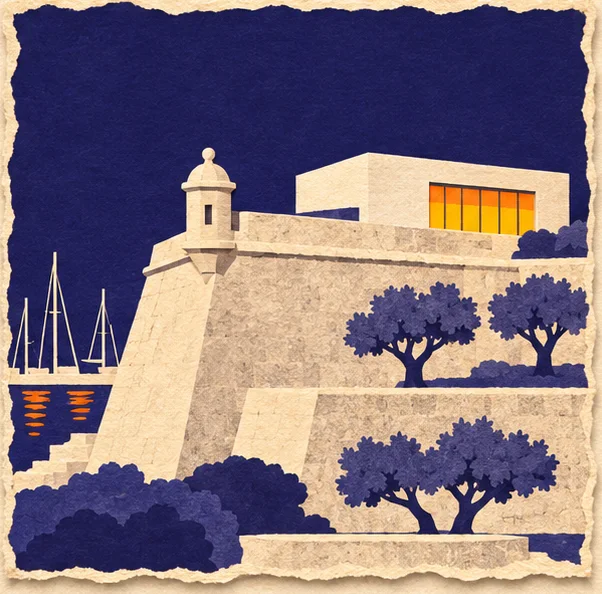
The museum of modern and contemporary art inside the Renaissance bastion of Sant Pere, on the old city wall. Its terraces over the harbour can be walked, and children under twelve go in free.
The tree-lined promenade at the heart of Palma, on the old bed of the Riera stream, running from Plaça de la Reina up towards Jaume III. It is free and the place where many city festivities pass.
Sa Llotja
Indoors
The Gothic merchants’ exchange of the fifteenth century by the harbour, designed by Guillem Sagrera, with spiral columns inside. It opens for exhibitions.
Arab Baths
Outdoors
A small bathhouse from the Islamic city, with a domed room on columns, set in a garden in the old town behind the cathedral. Entry is paid.
The studios where Joan Miró worked in his last decades, at Cala Major west of the centre, with the workshop by Josep Lluís Sert and a museum of his works.