Las Canteras beach
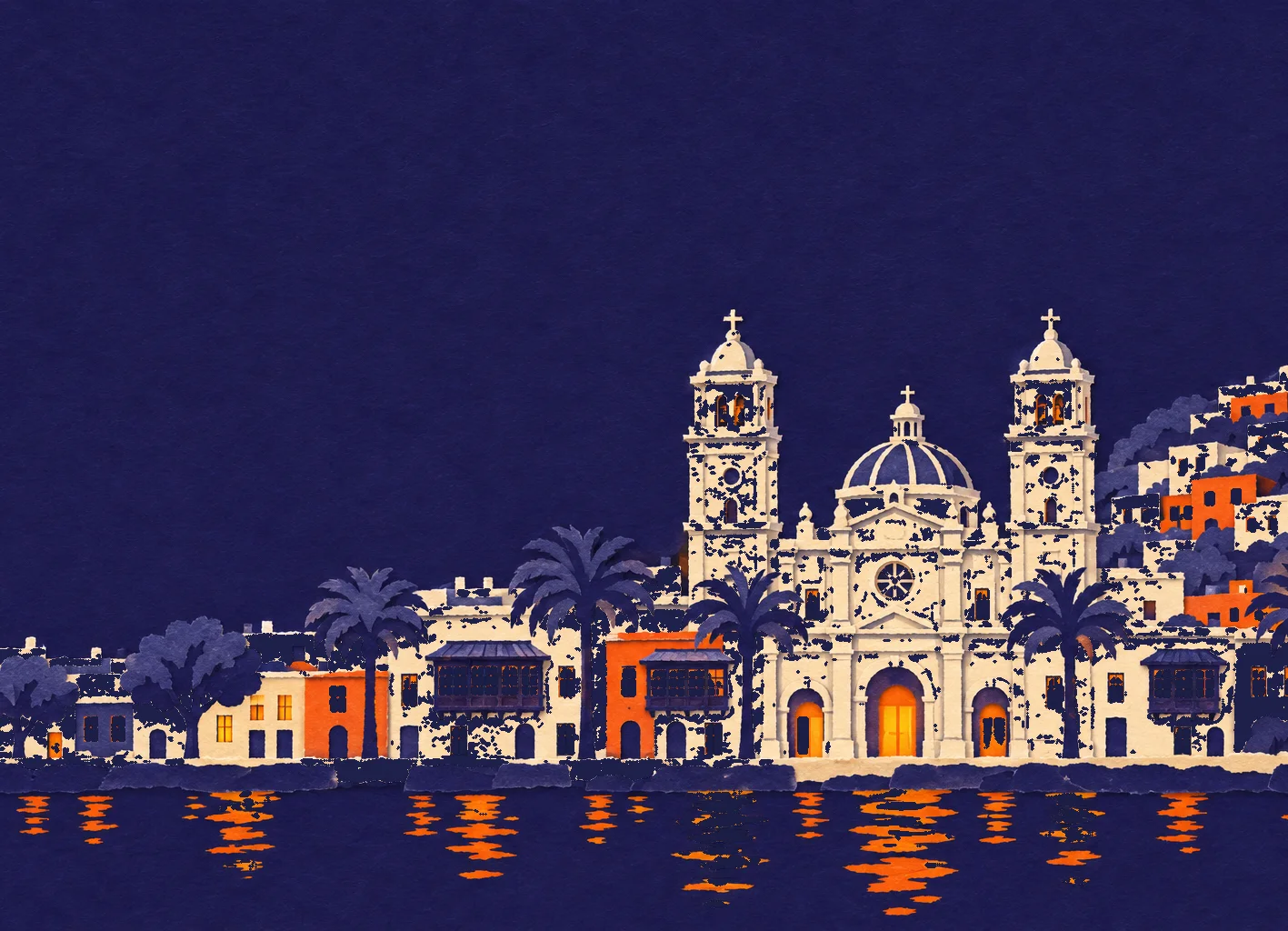
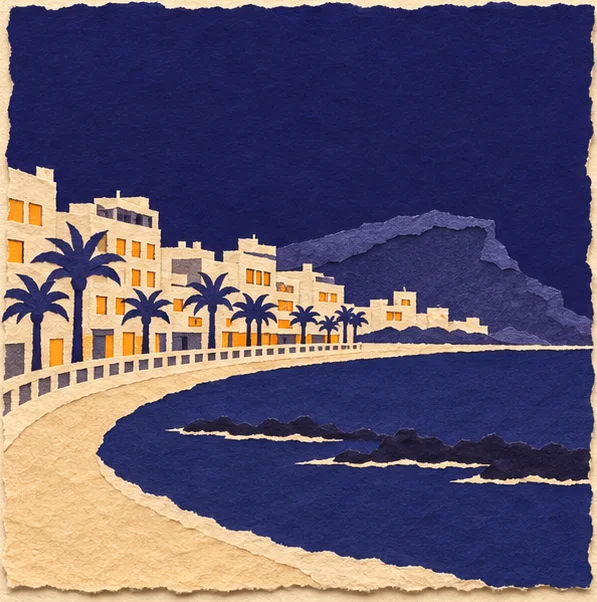
The city beach, about three kilometres of golden sand facing the Atlantic. La Barra, a natural rock reef some 200 metres out, keeps the water calm for swimming and snorkelling, and the promenade runs its whole length. It is free.
Santa Ana Cathedral
Indoors
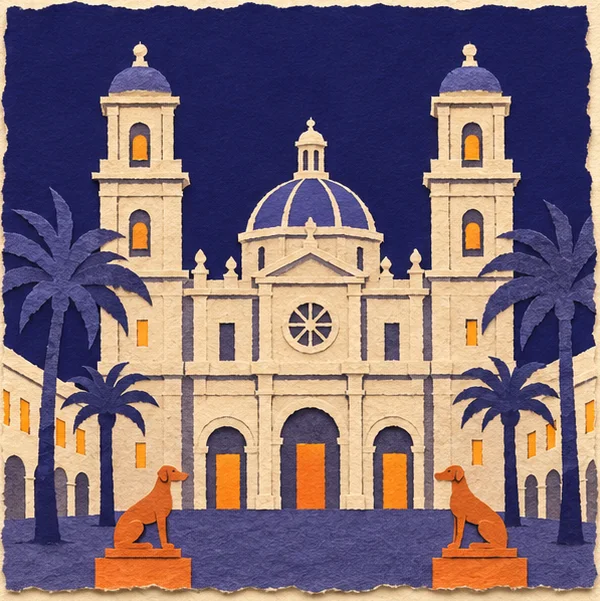
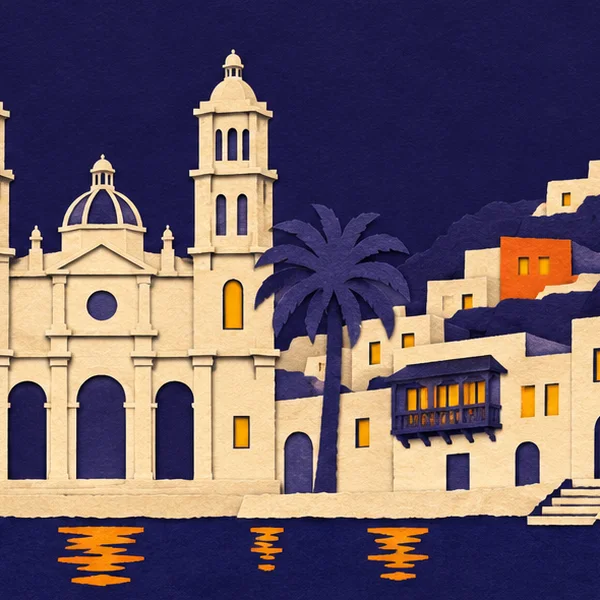
The cathedral of the Canaries on Plaza de Santa Ana in Vegueta, begun at the end of the fifteenth century and built over four centuries, with a Gothic interior of palm-like columns and a neoclassical façade. The paid visit takes in the sacred art museum and a lift up the tower.
Casa de Colón
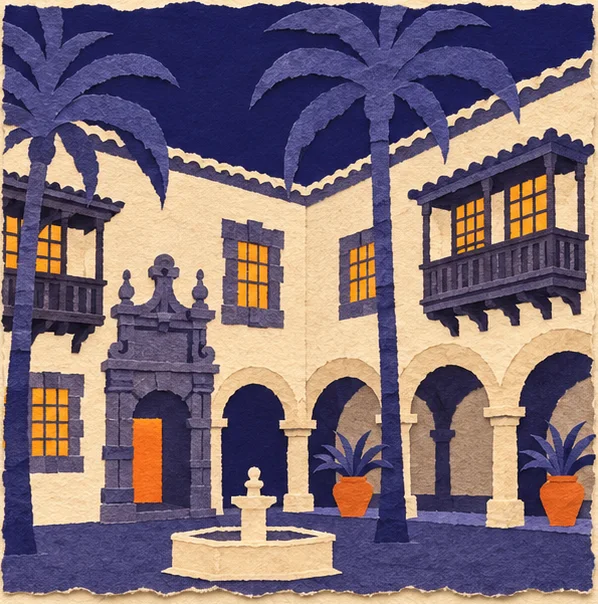
A museum in the old governors’ house of Vegueta, with carved wooden balconies and courtyards, about Columbus’s stops in Gran Canaria and the Atlantic crossings. It belongs to the Cabildo; entry is free on Sundays.
Castillo de la Luz
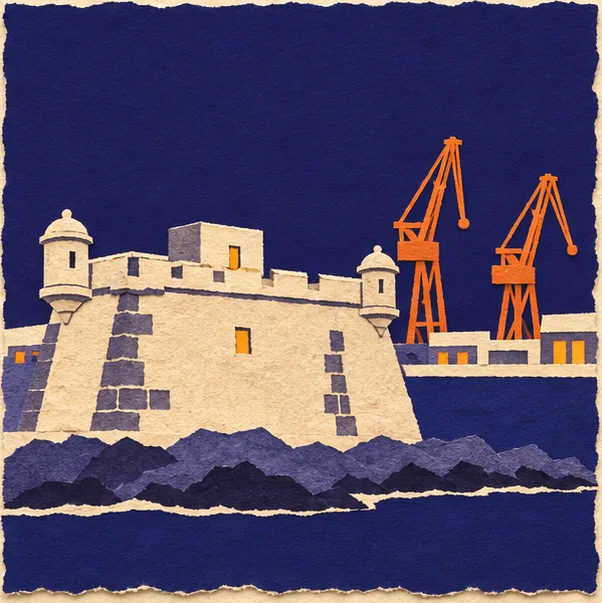
The oldest fortress of the island, from the end of the fifteenth century, by the harbour at La Isleta. Since 2015 it has housed the Martín Chirino foundation, with the sculptor’s iron spirals inside the old walls.
Vegueta old town
Outdoors
The district where the city was founded in 1478, with cobbled streets, colonial houses and the Vegueta market. Walking it is free.
CAAM
The Atlantic Centre of Modern Art, in Vegueta, with exhibitions of contemporary art from the islands, Africa and the Americas.
Museo Elder of Science and Technology
A hands-on science and technology museum in an old harbour warehouse on Parque Santa Catalina, popular with families.
El Museo Canario
The museum of the islands’ ancient peoples, in Vegueta, with pottery, the Idol of Tara and a large collection of mummies and skulls.