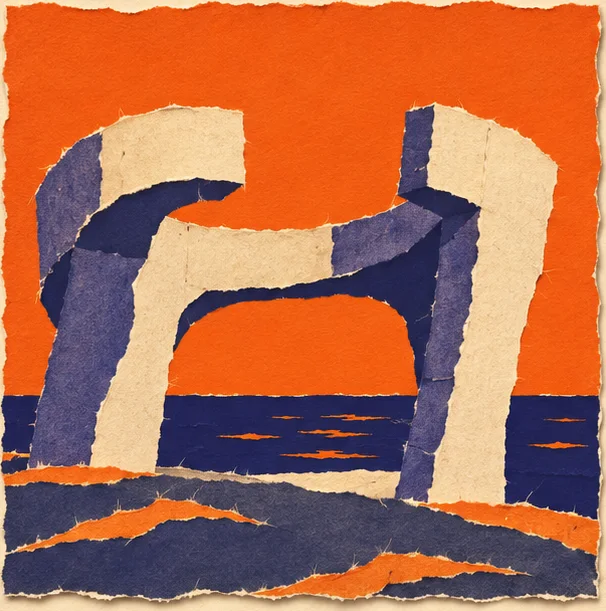
Elogio del Horizonte
Outdoors
Eduardo Chillida’s concrete sculpture of about 500 tonnes on the Cerro de Santa Catalina, unveiled with the park on 9 June 1990. It is the city’s best-known symbol.
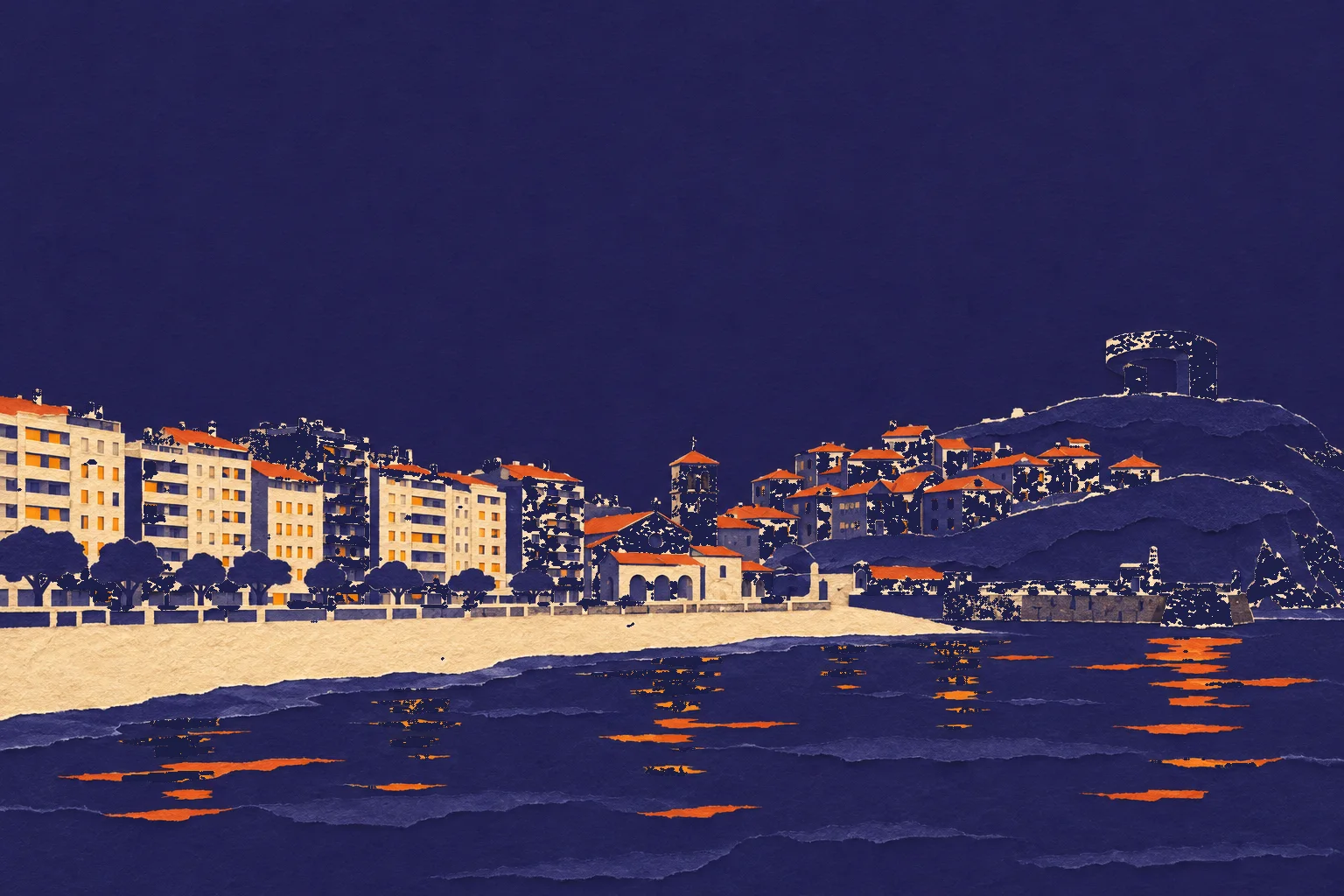





The places that make Gijón: Elogio del Horizonte, Cimavilla and the Torre del Reloj, San Lorenzo beach and more, with what is on there next.
Eduardo Chillida’s concrete sculpture of about 500 tonnes on the Cerro de Santa Catalina, unveiled with the park on 9 June 1990. It is the city’s best-known symbol.
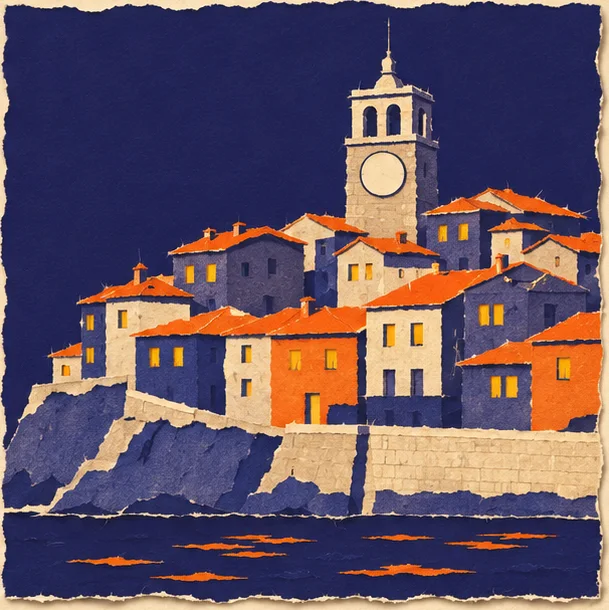
The old fishing quarter on the headland, with a Roman wall and a historic ensemble listed since 1975. The Torre del Reloj, rebuilt in 1989 where a 16th-century tower stood over Roman remains, is now a museum and the city archive.
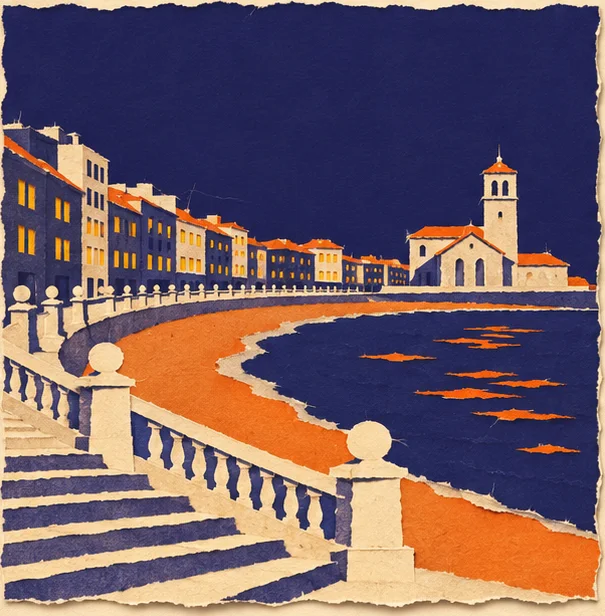
The shell-shaped city beach, about 1,500 metres long, with the monumental stairway of La Escalerona from 1933 and the church of San Pedro at its west end.
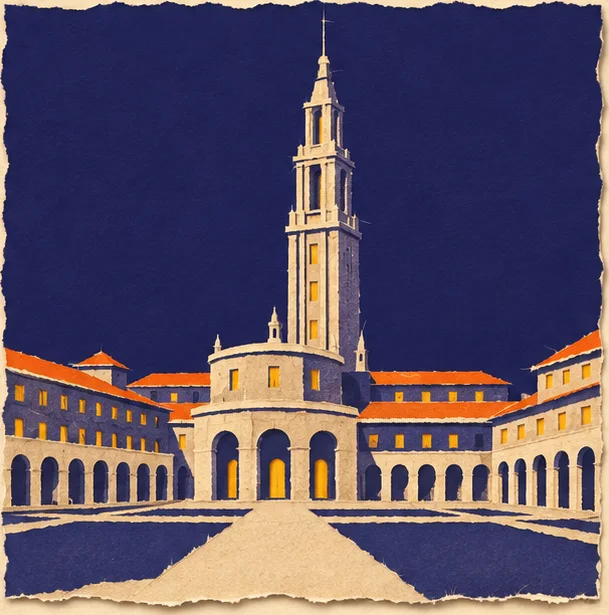
Luis Moya Blanco’s former Universidad Laboral, often called Spain’s largest building, a cultural centre since 2007. Its tower rises about 130 metres, and guided tours with the tower viewpoint run on weekends and holidays.
Roman public baths under the square next to San Pedro, now a museum of the city’s network. Closed on Mondays.
A palace from the early 18th century on Plaza del Marqués, with one tower from the 15th. Today it is a cultural centre with exhibitions.
A botanical garden of 16 hectares next to the Laboral, with more than 30,000 plants.
