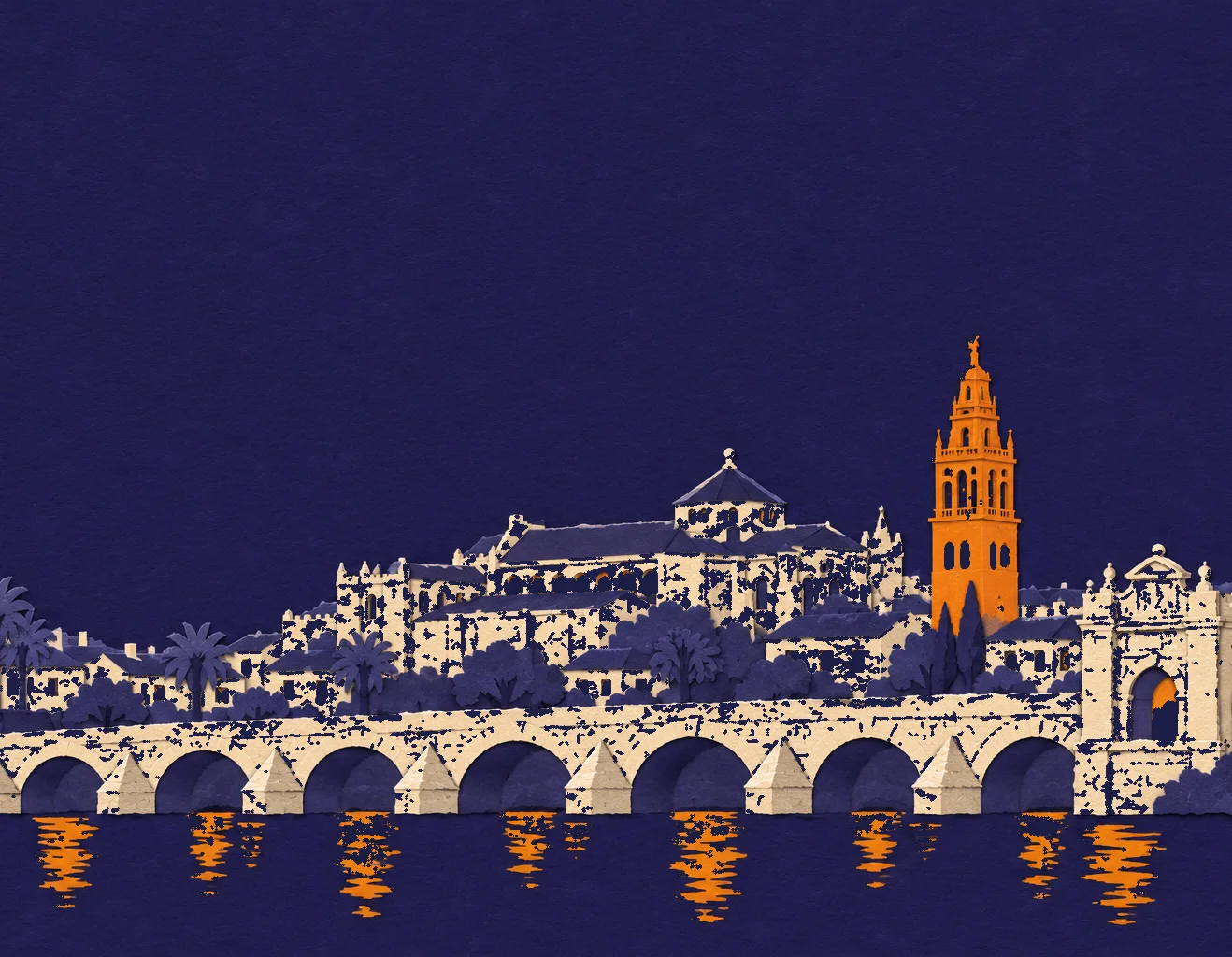
Mosque-Cathedral of Córdoba
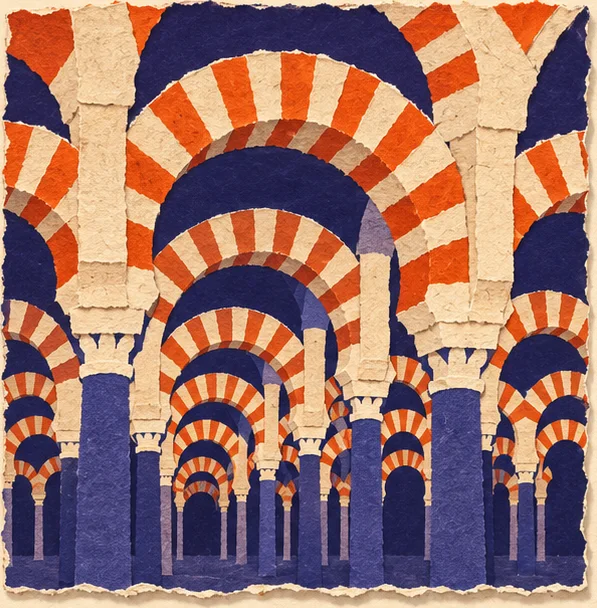
The great mosque of the caliphs, with its forest of red-and-white arches, which has held a cathedral at its heart since the 16th century. It has been a UNESCO World Heritage Site since 1984. A ticket is needed, but entry is free from Monday to Saturday between 8:30 and 9:30, except on days of special services.
Roman Bridge
Outdoors
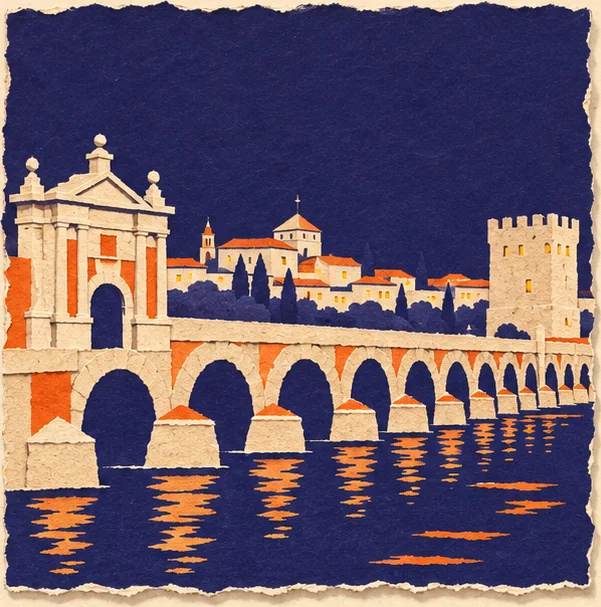
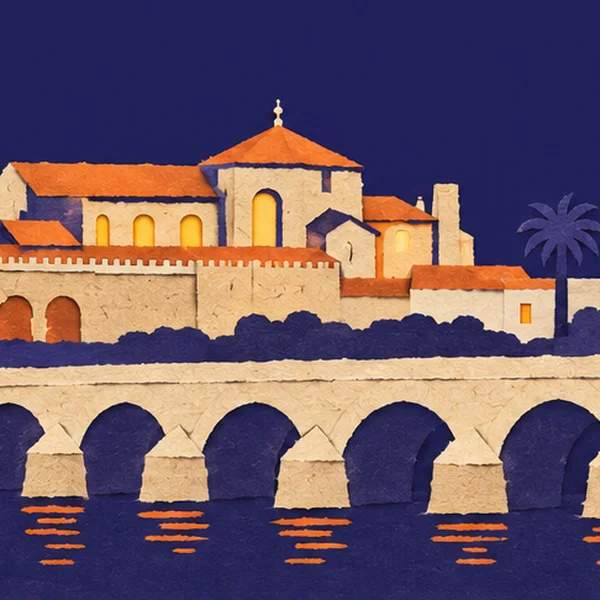
The bridge over the Guadalquivir dates from the 1st century BC and has been rebuilt many times since. It is free to cross at any hour, with the Puerta del Puente at one end and the Torre de la Calahorra at the other.
Alcázar of the Christian Monarchs
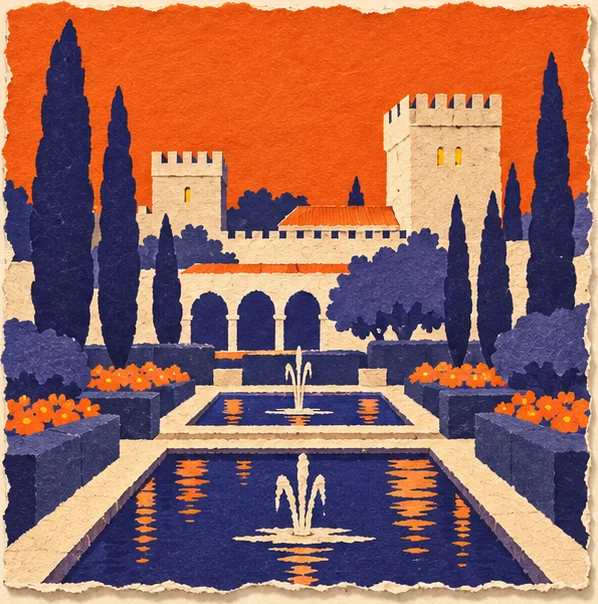
The fortress-palace Alfonso XI began in 1328 beside the river, with towers, Roman mosaics and terraced gardens of ponds, fountains, cypresses and orange trees. It is a ticketed municipal monument.
Medina Azahara
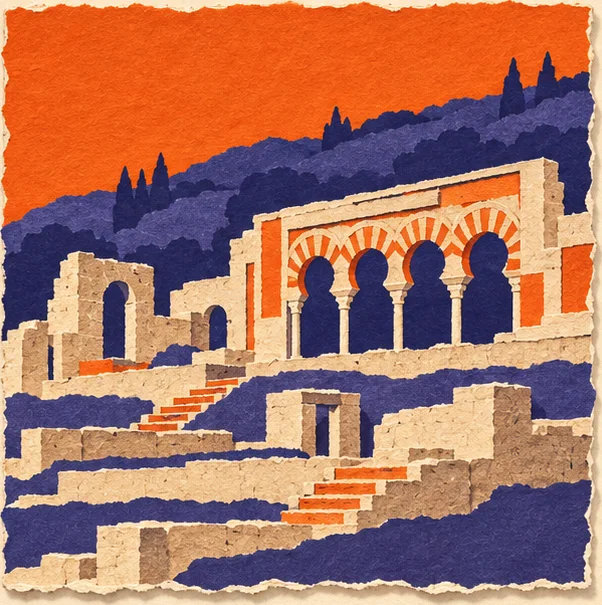
The palace city Abd al-Rahman III founded in 936 at the foot of the Sierra Morena, west of Córdoba, a World Heritage Site since 2018. Entry is free for EU citizens and €1.50 for others; it is closed on Mondays.
Judería and Synagogue
The old Jewish quarter of narrow whitewashed lanes north-west of the Mezquita. Its synagogue, from 1314–1315, is the only medieval one left in Andalusia, and the visit is free.
Palacio de Viana
A noble house lived in from 1425 to 1980, with twelve patios and a garden and its rooms still furnished. It is closed on Mondays and opens mornings only in July and August.
Torre de la Calahorra
The medieval gate tower at the south end of the Roman Bridge. Inside is the Museo Vivo de al-Andalus, on the centuries when Muslims, Jews and Christians shared the city, and the top gives a view of the Mezquita across the river.
Plaza de la Corredera
Outdoors
A rectangular square closed on all four sides by arcaded houses, in the Axerquía quarter. Its terraces fill up in the evening, and it is one of the stages of the Noche Blanca del Flamenco.