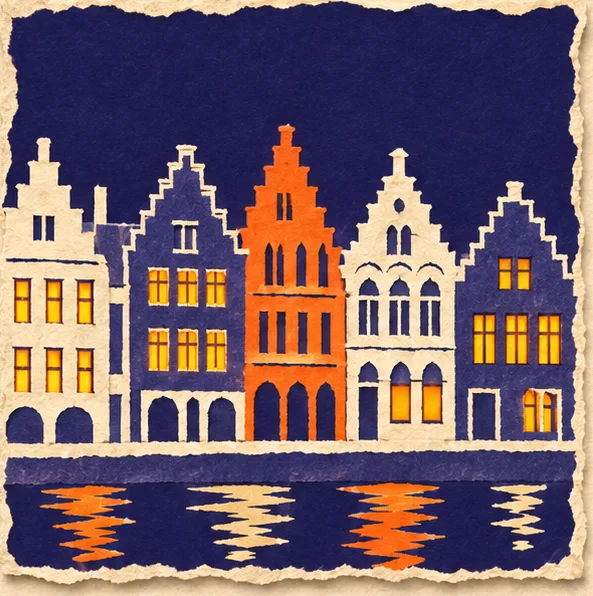
Graslei and Korenlei
Outdoors
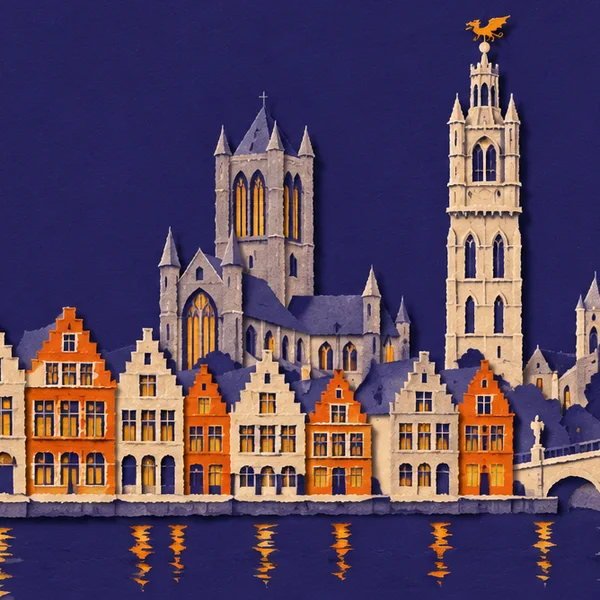
Two quays facing each other across the Leie, part of the medieval port, lined with old guild houses and café terraces. From the Sint-Michielsbrug you see both quays and the city's three towers in one row.
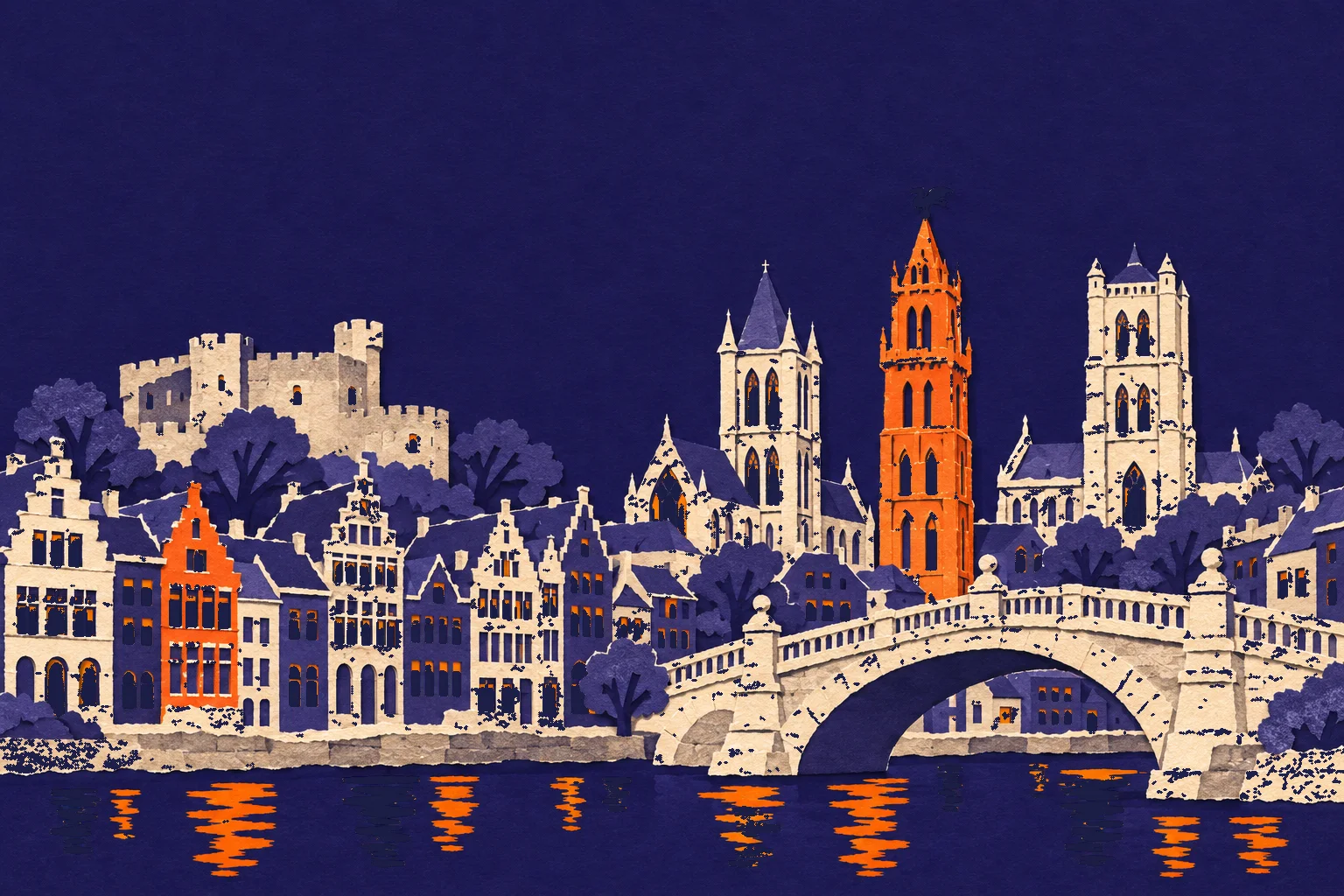



The places that make Ghent: Graslei and Korenlei, Gravensteen, Belfry and Cloth Hall and more, with what is on there next.
Two quays facing each other across the Leie, part of the medieval port, lined with old guild houses and café terraces. From the Sint-Michielsbrug you see both quays and the city's three towers in one row.
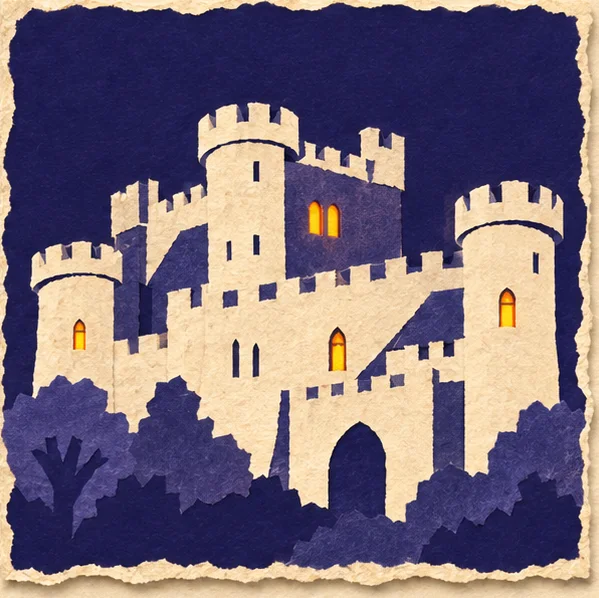
The castle of the Counts of Flanders, built in 1180 between two arms of the Leie. It was later a court, a prison and a cotton mill; now you climb its walls and keep for the view over the old town.
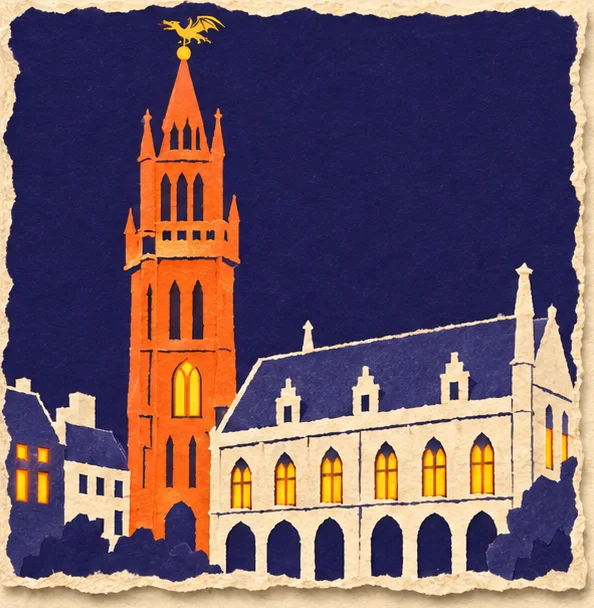
The 91-metre belfry with the gilded dragon on top, on UNESCO's World Heritage list with the belfries of Belgium and France. A lift takes you part of the way up; the long Lakenhalle, the old cloth hall, stands at its foot.
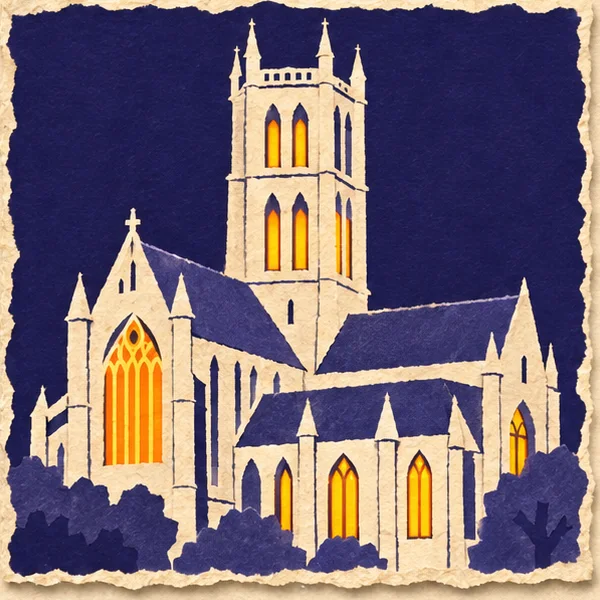
The Gothic cathedral on the Sint-Baafsplein, home of the Ghent Altarpiece by the Van Eyck brothers, which you see in the visitor centre (paid). Inside there is also a Rubens and a Romanesque crypt.
The fine arts museum in the Citadelpark, in a building made as a museum in 1904. Art from the Middle Ages to the 20th century, from Bosch to Rubens and Magritte; under-18s go in free, and you can watch restorers work on the Ghent Altarpiece.
The city's museum of contemporary art, across the road from the MSK in the Citadelpark, with a collection of more than 5,000 works from after the Second World War, shown in changing exhibitions.
The city museum on the Bijloke site, in a medieval abbey with a modern wing. It tells Ghent's story from the Middle Ages to now; you walk across a giant aerial photo of the city, and children get their own trail.
Everyday life in the 20th century, in the old almshouse of the Alijn children on the Kraanlei: photo albums, home films, street games, a courtyard garden, an old-style pub and a puppet theatre.
