About
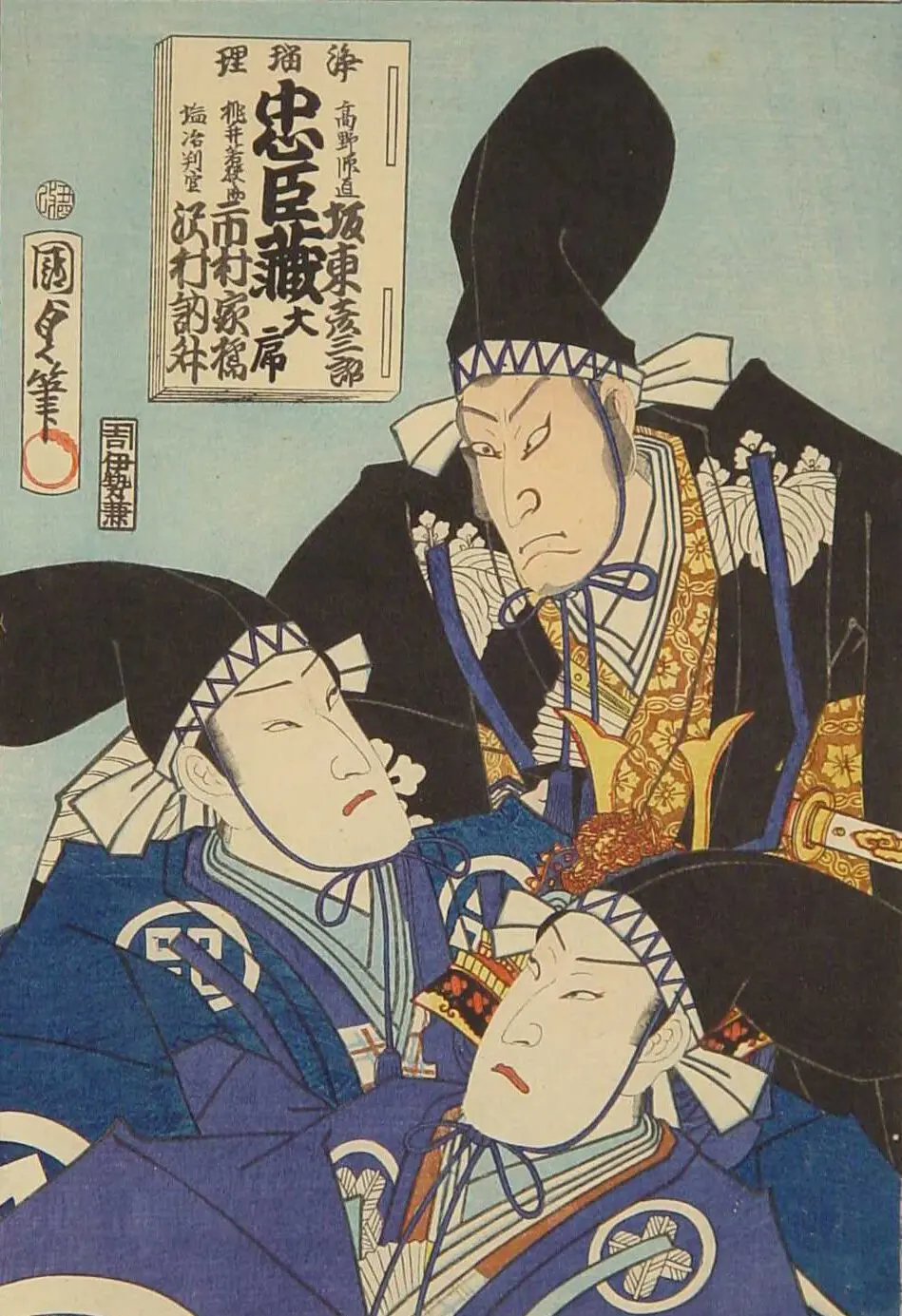
From 24 January 2027, Rijksmuseum Twenthe in Enschede shows its collection of Japanese colour woodcuts (ukiyo-e). The prints are vulnerable to light and are therefore rarely displayed.
What to expect
The focus exhibition shows nineteenth-century Japanese colour woodcuts and how they shaped Western art.
- Ukiyo-e means 'prints of the floating world'
- Colour woodcuts flourished in the Edo period (1603–1868)
- Degas, Manet, Monet and Van Gogh were influenced
- Part of the museum's programme line Identiteit
Questions
When does Japanese Prints start and end?
Japanese Prints runs Sunday, 24 January 2027.
Where is Japanese Prints?
Japanese Prints takes place at Rijksmuseum Twenthe, Lasondersingel 129, Enschede.
What can I see at the exhibition?
Japanese colour woodcuts (ukiyo-e) from the nineteenth century.
The prints come from the museum's own collection.
The exhibition shows the visual language of Japanese printmaking.
It also shows how this art form influenced Western art.
Why are the prints rarely shown?
The prints are vulnerable to light, so they are shown only rarely.
This exhibition is a chance to see a large part of the collection.
What does ukiyo-e mean?
Ukiyo-e literally means 'prints of the floating world'.
It is a Japanese art form known for its colourful woodcuts.
Which European artists were influenced?
Edgar Degas, Édouard Manet, Claude Monet and Vincent van Gogh were strongly influenced by Japanese art and design.
This influence is called japonisme and began in the 1870s.
Japanese events
Getting there
Rijksmuseum Twenthe, Lasondersingel 129, 7514 BP Enschede, Overijssel, NL
Open in Maps (opens in a new window)